
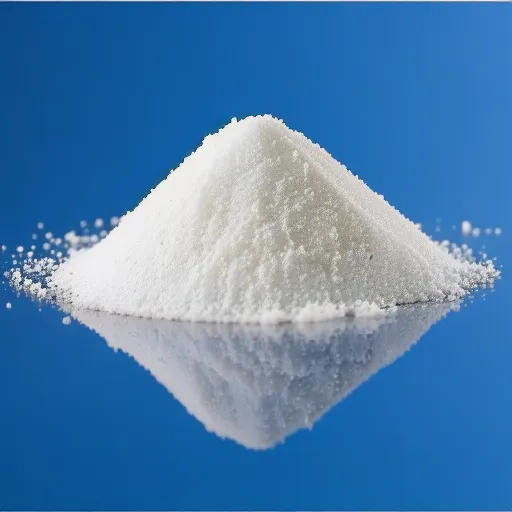
Sodium Tripolyphosphate (STPP) is one of the most versatile phosphate salts used globally, playing a critical role in industries ranging from food processing to detergent manufacturing. As a professional phosphate manufacturer, Goway Chemical understands that buyers need more than just a definition—you need to understand grades, specifications, safety standards, and market trends.
This comprehensive guide consolidates everything you need to know about STPP (CAS: 7758-29-4), helping you make informed procurement decisions for your business.
What is Sodium Tripolyphosphate (STPP)?
Sodium Tripolyphosphate (Na5P3O10), often abbreviated as STPP or STP, is an inorganic compound produced by the neutralization of phosphoric acid with sodium carbonate. It typically appears as a white, odorless powder or granule that is soluble in water.
- CAS Number: 7758-29-4
- Formula: Na5P3O10
- Appearance: White powder or granules
- pH Value: 9.2 – 10.0 (1% solution)
- Solubility: Easily soluble in water
In the chemical industry, STPP is valued for its ability to act as a sequestering agent, meaning it can bind metal ions (like calcium and magnesium) to prevent them from interfering with detergents or food processing.
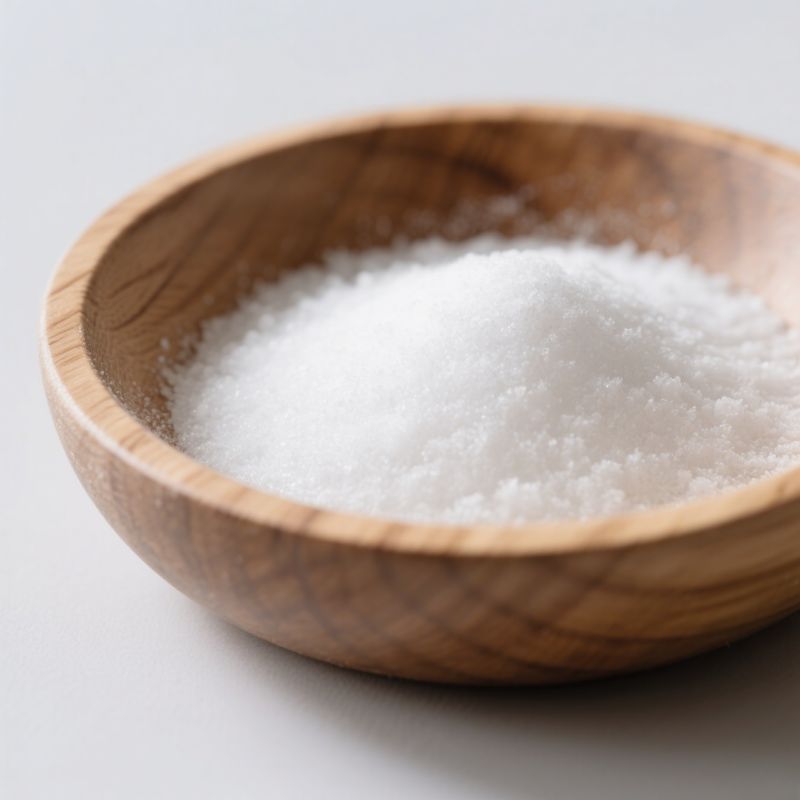
Goway Chemical High Quality STPP Powder
Food Grade STPP: Applications and Benefits
One of the most common questions we receive is: “What is STPP used for in food?”
Food Grade STPP (E451) is an essential additive in the food industry, strictly regulated to ensure safety.
1. Seafood Processing (Moisture Retention)
In frozen shrimp, fish fillets, and scallops, STPP is crucial for retaining moisture. Without it, seafood loses significant water weight during thawing (drip loss), resulting in a dry, tough texture.
- Benefit: Keeps seafood juicy and tender.
- Economic Value: Prevents weight loss during transport and storage.
2. Meat Products (Emulsification)
For sausages, ham, and canned meats, STPP improves the texture by stabilizing the emulsion of fat, protein, and water.
- Benefit: Creates a smooth, consistent texture in processed meats.
3. Dairy and Noodles
It prevents protein precipitation in milk drinks and increases the chewiness and elasticity of instant noodles.
Manufacturer’s Note: At Goway Chemical, our Food Grade STPP meets strict low-heavy-metal standards (Arsenic < 3ppm, Lead < 4ppm) to ensure compliance with international food safety regulations.
Industrial Grade STPP: Powering Cleaning and Ceramics
Beyond the kitchen, STPP is a powerhouse in the industrial sector.
1. Detergents and Soaps
STPP is historically known as a “builder” in detergents. It softens hard water by binding calcium and magnesium, allowing surfactants to work effectively. It also prevents dirt from re-depositing on clothes.
2. Ceramic Industry
In ceramic production, STPP acts as a highly effective degumming agent. It helps reduce the viscosity of the ceramic slurry (mud), allowing for smoother manufacturing and reducing water usage.
>> View our Industrial Grade STPP Specifications
Is Sodium Tripolyphosphate Safe? (Safety & Regulations)
Safety is a top concern for consumers and manufacturers alike.
The Verdict: Yes, STPP is safe when used according to regulations.
- FDA (USA): Recognized as GRAS (Generally Recognized As Safe) for food use.
- EU Regulation: Listed as food additive E451.
Addressing Consumer Concerns
Some confusion arises between “phosphates” and “phosphorus.” While phosphorus is a necessary nutrient for the human body, excessive intake can be an issue for individuals with kidney problems. However, for the general population, the trace amounts of STPP used in food processing are well within safe daily intake limits established by the WHO and FAO.
Purchasing Guide: How to Choose the Right STPP Supplier
When sourcing STPP from China, quality consistency is key. Here is what you should check before placing an order:
- Purity (Assay): Standard STPP typically requires a purity of ≥ 94%. Lower purity often indicates excessive by-products, which can affect performance in detergents or food texture.
- Phase I vs. Phase II: STPP comes in two crystal structures.
- Phase I (High Temperature): Reacts faster with water (generates heat).
- Phase II (Low Temperature): Reacts slower. Most detergent manufacturers prefer Phase II to prevent caking.
- Particle Size: We offer both Powder (200 mesh) and Granular forms. Powder dissolves faster, while granules are less dusty.
Why Choose Goway Chemical?
As a dedicated phosphate supplier, Goway Chemical goes beyond just selling products. We provide technical solutions tailored to your production line.
- Stable Supply Chain: We ensure consistent availability even during market fluctuations.
- Quality Control: Rigorous testing for every batch (COA available upon request).
- Global Export: Experienced in shipping to Southeast Asia, Europe, and the Americas with proper packaging (25kg bags / 1000kg Jumbo bags).
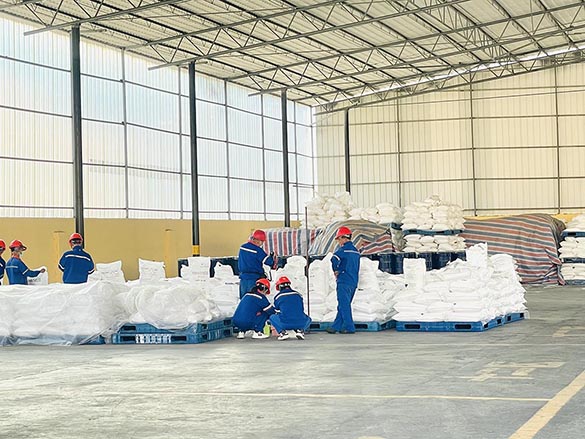
Professional warehousing and container loading ensures goods arrive safely.
Frequently Asked Questions (FAQ)
Q: Is STPP gluten-free?
A: Yes, Sodium Tripolyphosphate is a chemical salt and does not contain gluten.
Q: What is the shelf life of STPP?
A: Typically 2 years when stored in a cool, dry place.
Q: Can you provide samples for testing?
A: Yes, Goway Chemical supports sample testing for qualified B2B buyers.
Ready to order?
Whether you are improving the texture of frozen shrimp or optimizing a detergent formula, Sodium Tripolyphosphate is an indispensable ingredient. Choosing the right partner ensures you get the best performance and safety compliance.
Get a Quote from Goway Chemical
