
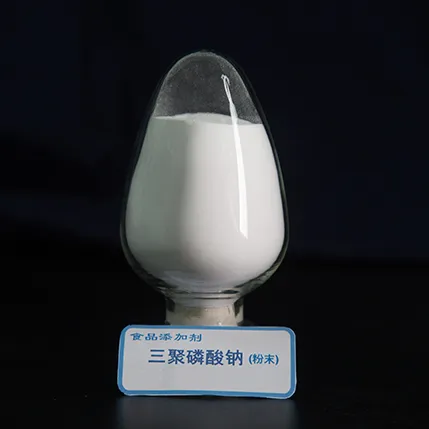
One of the most common questions regarding Sodium Tripolyphosphate (STPP) is its safety profile. Whether you are a food processor using it as a preservative or an industrial manufacturer using it in detergents, understanding the regulatory status and handling precautions is critical.
📢 For Industrial Buyers & Food Processors:
Need strictly tested STPP with low heavy metal content? We provide full COA and MSDS reports.
👉 Check Food Grade STPP Price | Check Industrial Grade STPP Price
Is STPP Safe for Consumption? (Food Grade)
Yes. Sodium Tripolyphosphate is recognized as GRAS (Generally Recognized As Safe) by the U.S. FDA and is an authorized food additive in the European Union (E451).
It is widely used in the food industry, particularly in seafood (shrimp/fish) and meat processing, to retain moisture and maintain texture. However, “Safe” implies strict adherence to purity standards.
Key Safety Standards for Food Grade STPP:
- Arsenic (As): Must be ≤ 3 mg/kg.
- Lead (Pb): Must be ≤ 4 mg/kg.
- Fluoride (F): Must be ≤ 50 mg/kg.
At Goway Chemical, our Food Grade STPP undergoes rigorous testing to ensure heavy metal content is far below international limits, ensuring safety for end consumers.
Is STPP Safe for Industrial Handling? (Industrial Grade)
For industrial applications like ceramics, detergents, and water treatment, safety concerns focus on worker protection rather than consumption.
According to the MSDS (Material Safety Data Sheet), STPP is considered a mild irritant but is not toxic, carcinogenic, or mutagenic.
| Hazard Type | Risk Level | Handling Precaution |
|---|---|---|
| Inhalation | Low (Dust can irritate lungs) | Use dust masks in dry powder areas. |
| Skin Contact | Mild Irritant | Wear protective gloves; wash with soap. |
| Eye Contact | Irritant (Alkaline pH ~9.5) | Wear safety goggles; rinse immediately if contacted. |
Looking for bulk supply for your factory? Download our Industrial Grade STPP Specifications here.
Environmental Safety: The Phosphate Debate
While safe for humans, phosphate discharge can impact the environment. When STPP-containing wastewater enters lakes or rivers, it can act as a nutrient for algae, leading to eutrophication (algae blooms).
As a responsible manufacturer, Goway Chemical advises all industrial clients to implement proper wastewater treatment protocols. For regions with strict phosphorus limits, we also offer Sodium Hexametaphosphate (SHMP) and other alternatives.
FAQ: Common Safety Concerns
Does STPP cause cancer?
No. Major regulatory bodies, including the FDA and WHO, classify STPP as safe. There is no scientific evidence linking food-grade STPP to cancer when consumed within recommended limits.
Why is STPP added to shrimp and fish?
It is used to retain moisture during freezing and thawing. Without STPP, seafood can become dry and tough. It helps maintain the texture and freshness expected by consumers. Learn more on our Food Additives Page.
What is the difference between Food Grade and Tech Grade safety?
The main difference is purity. Food Grade STPP undergoes extra filtration to remove heavy metals (Arsenic, Lead) to ensure it is safe for ingestion. Tech Grade is safe for handling but must never be used in food products.
Source Certified Safe Phosphates
Quality and safety are non-negotiable. Ensure your production complies with global standards by sourcing from a certified manufacturer.
