
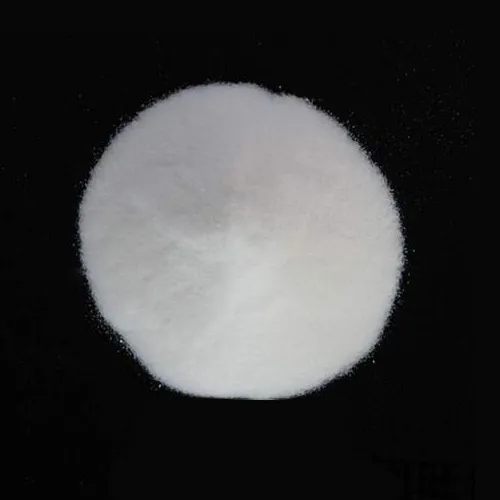
Sodium Acid Pyrophosphate (SAPP) is one of the most widely used food-grade phosphates in bakery, fried foods, processed meats, and instant products. Known for its controlled reaction rates and functional versatility, SAPP plays a crucial role in leavening systems, color stabilization, texture improvement, and pH adjustment. This guide explains SAPP’s chemical behavior, type classifications, application differences, regulatory considerations, and selection criteria for food manufacturers.
1. What Is Sodium Acid Pyrophosphate (SAPP)?
SAPP is an inorganic phosphate (Na2H2P2O7) used primarily as a leavening acid and buffering agent. Its unique ability to react with sodium bicarbonate at controlled speeds makes it ideal for a wide range of baked and fried foods. SAPP is odorless, white, highly stable, and available in multiple reaction grades tailored for specific food applications.
2. Functional Properties of SAPP
SAPP delivers multiple functional benefits in food systems, including:
- Controlled leavening reaction: Predictable CO2 release for precise volume control.
- pH regulation: Ensures optimal acidity for dough development and flavor.
- Color stabilization: Prevents darkening or oxidation in potatoes and meat products.
- Texture enhancement: Improves crispiness in fried foods and uniformity in baked items.
- Protein interaction: Supports water-holding capacity in meat and seafood formulations.
To explore more phosphate ingredients for food processing, visit phosphate for food processing.
3. Types and Grades of SAPP (SAPP 28, 40, 43–50)
SAPP grades are defined by their neutralization value (NV) and reaction rate. These two parameters determine how quickly CO2 is released, impacting dough rise and final texture:
| Grade | Reaction Rate | Typical Application |
|---|---|---|
| SAPP 28 | Slow | Cookies, biscuits, frozen dough |
| SAPP 40 | Medium | Cakes, muffins, pancakes |
| SAPP 43–50 | Fast | Donuts, fried batter, instant mixes |
The correct SAPP grade ensures consistent spread, rise, and crumb structure across diverse bakery applications.
4. Reaction Characteristics of SAPP
SAPP undergoes a dual-stage release of CO2 when reacting with sodium bicarbonate:
- Cold-stage reaction: Occurs during mixing and early resting, influencing initial volume and dough spread.
- Hot-stage reaction: Occurs during baking or frying, ensuring full expansion and desired texture.
The balance between cold and hot reactions varies across grades—this is why choosing the right SAPP grade is essential for quality consistency.
4.1 Reaction Rate Curve Explanation (Enhancement)
Slow-reacting SAPP grades (e.g., SAPP 28) release only 10–20% CO2 during mixing, allowing dough to relax without excessive spread. Medium grades (SAPP 40) show a balanced release curve, while fast grades (SAPP 43–50) can release up to 60% CO2 before heating—ideal for fried batters that rely on rapid lift.
5. Key Applications of SAPP in Food Processing
5.1 Bakery Products
- Cookies & biscuits: Slow-reacting SAPP prevents excessive spread and maintains uniform diameter.
- Cakes, muffins, pancakes: Medium grades promote stable expansion and fine crumb structure.
- Donuts & fried breads: Fast-reacting SAPP ensures immediate lift during frying.
- Frozen dough: Maintains gas-producing potential after frozen storage.
5.2 Fried and Coated Foods
SAPP enhances batter aeration, improving expansion, crispiness, and reducing oil absorption. Common applications include:
- Fried chicken coatings
- Tempura and light batters
- Snack extrusion systems
5.3 Processed Meat Products
In meat and seafood systems, SAPP helps:
- Prevent oxidative discoloration
- Improve water retention
- Enhance protein solubility
- Improve slicing and binding characteristics
5.4 Dehydrated and Instant Foods
- Instant pancake and cake mixes
- Quick-service frying mixes
- Ready-to-cook flour blends
6. pH Behavior and Its Effect in Formulations
SAPP has a mildly acidic pH (4.0–4.6), contributing to:
- Improved dough flavor and gluten development
- Prevention of alkaline aftertaste from sodium bicarbonate
- Controlled browning during baking
- Color stability in potatoes and white meats
7. Selecting the Right SAPP Grade
Food manufacturers should evaluate:
- Reaction rate requirement (slow, medium, fast)
- Processing conditions (mixing time, standing time, frying vs baking)
- Desired texture and volume
- Storage conditions such as frozen or refrigerated dough
- Compatibility with other leavening acids (MCP, DCP, SALP)
General recommendations:
- SAPP 28 → for cookies and biscuits
- SAPP 40 → for cakes and muffins
- SAPP 43–50 → for donuts and fried batters
8. Quality Specifications When Purchasing SAPP
- Assay / purity
- Neutralization value (NV)
- Moisture content
- Particle size distribution
- pH performance
- Heavy metal compliance (Codex / EU / FDA limits)
8.1 Regulatory Overview
SAPP is approved globally under various food additive regulations:
- Codex Alimentarius: Listed under INS 450 (i) for use in a wide range of processed foods.
- FDA (USA): Recognized as GRAS when used within good manufacturing practices (21 CFR 182.1087).
- European Union: Classified as E450 (i) with defined maximum usage levels depending on food category.
Manufacturers exporting to multiple markets must ensure compliance with local additive limits and labeling requirements.
9. Industry Case Examples
Case 1: Improving Cake Volume with SAPP 40
A commercial bakery adopting SAPP 40 achieved more uniform expansion, improved crumb structure, and reduced peak cracking.
Case 2: Reducing Oil Absorption in Fried Batter
In a fried snack factory, switching to SAPP 43 reduced oil uptake by 5–8% due to controlled early gas release.
Case 3: Stabilizing Potato Color During Storage
A ready-meal producer used SAPP to prevent enzymatic browning in pre-cut potatoes, extending shelf-life and improving visual appeal.
Case 4 (New): Enhancing Texture in Plant-Based Meat
SAPP improved cohesiveness and color stability in plant-based meat formulations by enhancing protein hydration and buffering pH.
10. SAPP vs Other Leavening Acids (MCP, DCP, SALP)
While SAPP is widely used, it is often compared with other leavening acids.
| Acid | Reaction Speed | Common Use | Remarks |
|---|---|---|---|
| SAPP | Slow → Fast (grade-dependent) | Baked goods, fried foods | Most versatile, predictable reaction control |
| MCP | Fast | Pancakes, instant mixes | React too quickly for many bakery items |
| DCP | Very slow | Biscuits, long-fermentation dough | Limited leavening contribution |
| SALP | Slow | Cakes, muffins | Good for moist crumb but may produce metallic aftertaste |
11. Technical Q&A for Formulators
Why does SAPP 28 reduce cookie spread?
Its slow CO2 release delays gas formation, allowing dough to set earlier without excessive spread.
Can SAPP be blended with other acids?
Yes. Many formulations combine SAPP with MCP or SALP to tailor reaction profiles.
How does particle size influence SAPP performance?
Finer grades react faster, while coarser grades slow down CO2 release.
Does SAPP affect product flavor?
Its mild acidity prevents the “soapy” off-flavor often associated with sodium bicarbonate.
Is SAPP stable during frozen storage?
Yes. Slow-reacting grades retain leavening potential even after extended frozen periods.
FAQ
What is SAPP used for in food?
It functions as a controlled-reaction leavening acid, pH regulator, color stabilizer, and texture modifier.
What is the difference between SAPP 28 and SAPP 40?
SAPP 28 reacts slowly (ideal for cookies), while SAPP 40 has a medium reaction rate suitable for cakes and muffins.
Is SAPP safe for use in food?
Yes. SAPP is approved by FDA, Codex, and EU regulations for use within permitted levels.
Can SAPP be used in meat products?
Yes. It helps stabilize color, improve protein solubility, and enhance water retention.
Which SAPP grade is best for donuts?
Fast-reacting grades such as SAPP 43–50 provide superior expansion during frying.
