
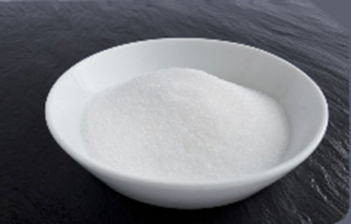
The “Golden Definition” (Snippet Target) Sodium tripolyphosphate (STPP) (CAS 7758-29-4) is an inorganic condensed phosphate (Na₅O₁₀P₃) used as a sequestrant/builder/dispersant in detergents, water treatment, and process systems, and as a regulated food additive (INS 451(i)). OEM supply typically differentiates by grade (food vs industrial), assay/P₂O₅, insolubles, pH (1% solution), particle size, and packaging. (goway chemical) […]
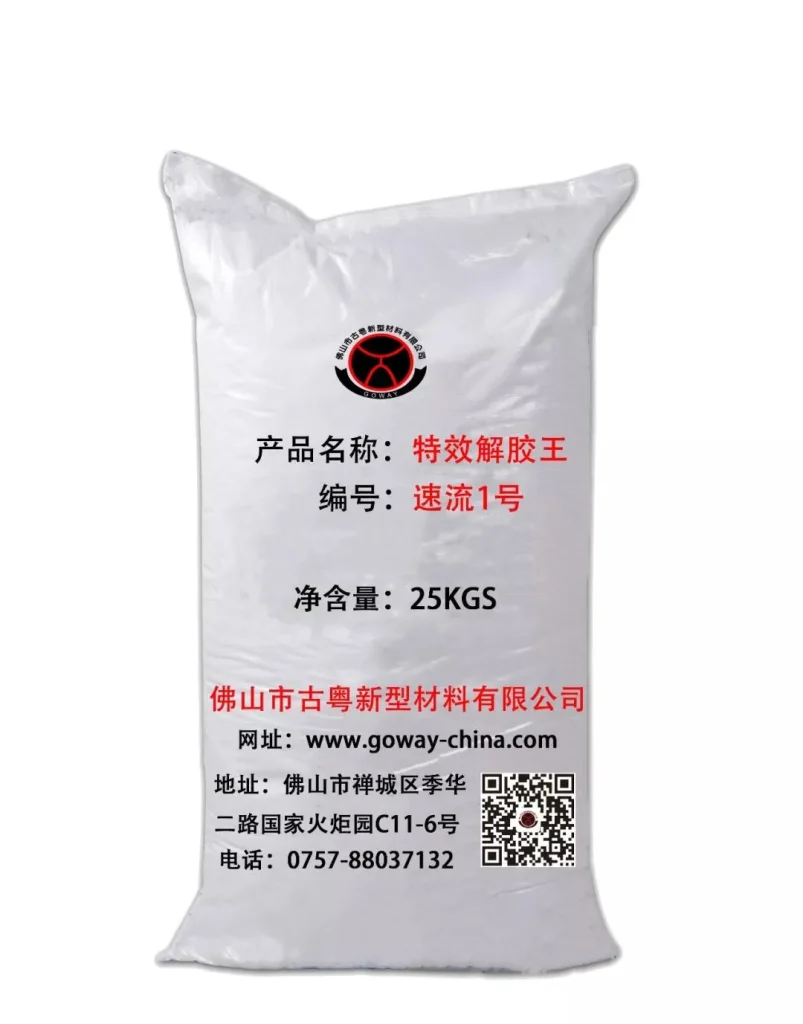
China is one of the world’s most important production bases for Sodium Tripolyphosphate (STPP), supplying large volumes of detergent-grade and food-grade STPP to global markets. For importers, distributors, and end-users, choosing the right STPP manufacturer in China is critical for stable quality, competitive pricing, and reliable long-term cooperation. Get Recommended STPP Manufacturers in ChinaWhatsApp Us […]
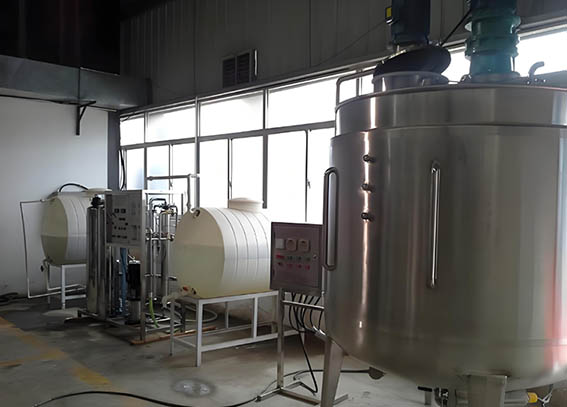
Quick Navigation: Introduction | Core Functions | Soap Making | STPP vs Sodium Carbonate | Synthetic Detergents | Recommended Dosage | Type I vs Type II | Environment | Procurement | CTA | FAQ Introduction: The Backbone of the Global Cleaning Industry Sodium Tripolyphosphate (STPP, Na₅P₃O₁₀) is one of the most widely used inorganic builders in the detergent and soap industry. As a high-efficiency chelating […]

The Origins of Sodium Tripolyphosphate (STPP) Sodium Tripolyphosphate, commonly known as STPP, was first synthesized in the early 20th century by German chemist Fritz Löffler. Löffler’s groundbreaking work paved the way for the development of this versatile compound, which would later find its place in the food industry. Initially, STPP was primarily used in industrial […]
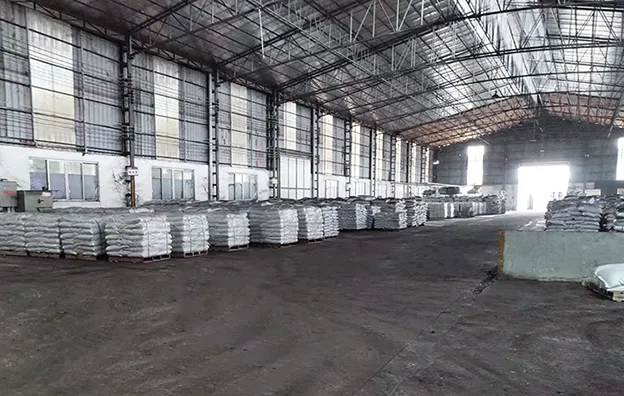
The “Golden Definition” (Snippet Target) Phosphate factories are industrial facilities that convert phosphate feedstocks into phosphoric acid and phosphate salts that serve as battery and energy-system materials. In clean energy, their main linkage is the production of phosphate precursors (e.g., FePO₄ and H₃PO₄) required for lithium iron phosphate (LiFePO₄, LFP) cathode manufacturing, where impurity control […]
Introduction to STPPSodium tripolyphosphate (STPP) is a versatile chemical compound widely used in various industrial and household applications. This white, crystalline powder is water-soluble and serves multiple purposes, including as a detergent builder, water softener, and food additive. Understanding the production process of STPP is crucial for ensuring product quality, safety, and environmental impact. […]
Technical reference: Sodium tripolyphosphate (STPP) definition, specifications, operating mechanisms, applications (food and industrial), compliance references, and selection notes. Formula: Na5P3O10 CAS: 7758-29-4 Food additive: E451(i) Typical pH (1%): 9.5–10.0 Typical P2O5: 57–59% Assay (typical): ≥ 94% STPP (Sodium tripolyphosphate) product photo. Request COA / TDS / SDS Food vs Industrial Grade Regulatory references Compliance note: […]

Food grade phosphates play a vital role in the grain and oil processing industry. In products such as noodles, steamed buns, dumplings, frozen dough and grain-based snacks, the right phosphate system can significantly improve texture, moisture, stability, and overall yield. At Goway Chemical, we manufacture and supply high-purity STPP, SHMP, TSPP and SAPP for food […]
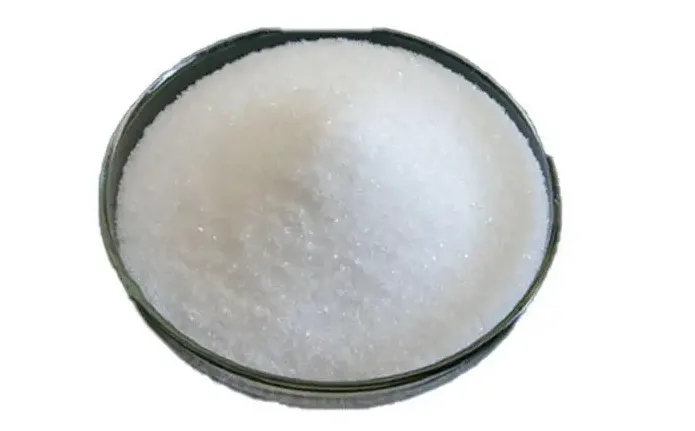
Sodium Tripolyphosphate (STPP) is one of the most widely used phosphates in detergents, food processing, ceramics, water treatment, and industrial cleaning. For importers, distributors, and end-users, understanding STPP price differences between industrial grade and food grade is essential for making the right purchasing decision. Get Latest STPP Price (FOB / CIF) WhatsApp Us for STPP […]

Understanding Metal Phosphating: Process, Methods, and Applications Introduction Explore the intricate chemical process of metal phosphating, its purpose in enhancing corrosion resistance, and its diverse applications across various industries. What is Metal Phosphating? Phosphating involves chemical and electrochemical reactions to form a phosphate chemical conversion membrane on metal surfaces. This protective layer, known as the […]