
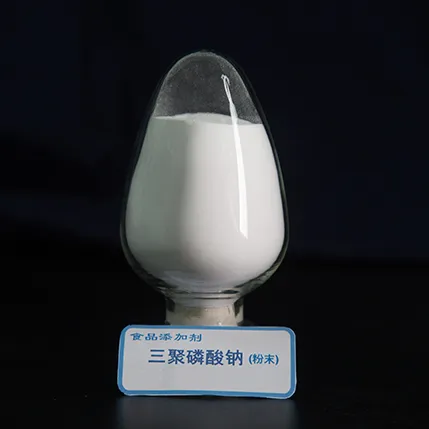
Food Grade Sodium Tripolyphosphate (STPP)
E451(i) / INS 451 for meat, seafood, and food processing applications.
Goway supplies food-grade Sodium Tripolyphosphate (STPP) for buyers who need reliable batch consistency, document support, and application guidance for food processing.
This page is focused on food additive use only.
- Grade: Food Grade STPP
- Label reference: E451(i) / INS 451
- Forms: Powder / granular
- Main uses: Meat, seafood, noodles, selected processed foods
- Key functions: Moisture retention, texture support, sequestration
- Buyer support: COA / TDS / SDS / certificate pack upon request
Request the latest COA, certificate pack, and packing details based on your destination market and application.
Note: This page is for food additive use. For detergent, ceramics, or water treatment applications, please visit our Industrial STPP page.
Food Grade Sodium Tripolyphosphate (STPP), also referenced in food systems as E451(i) / INS 451, is commonly used in meat, seafood, noodles, and selected processed foods where formulators need better moisture management, texture support, and process consistency.
CAS: 7758-29-4 |
China Standard: GB 1886.335-2021 |
Document Support: COA / TDS / SDS |
Sample: Available for lab testing
Please share your destination market, application, and required specification when requesting documents.
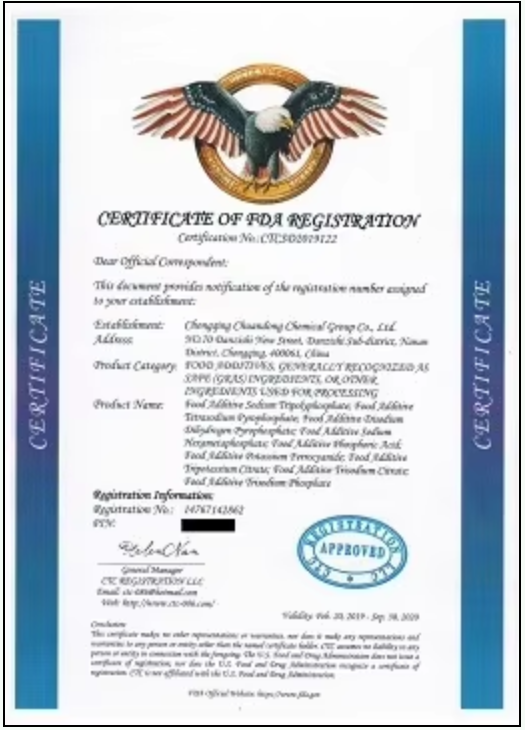
Food buyers often review certificates and the latest COA before RFQ. Tell us your market and application to receive the correct document set.
What Is Food Grade Sodium Tripolyphosphate (STPP)?
Food-grade Sodium Tripolyphosphate (STPP) is a phosphate ingredient used in food processing where manufacturers need support for moisture retention, texture control, protein function, and sequestration. In many food labeling systems, it is associated with E451(i) / INS 451.
It is commonly used in meat and poultry products, seafood processing, noodle systems, and selected prepared foods. This page covers food additive use only and is not intended for industrial detergent or water treatment applications.
Key Functions and Benefits
Water Retention Support
Helps improve moisture management in selected seafood and processed meat systems, which can support better yield and reduced cooking loss.
Texture and Bite
Can help support firmer texture, better bite, and more consistent finished quality in suitable formulations.
Protein Function Support
Useful in systems where protein extraction, emulsion stability, and process performance are important.
Process Consistency
Supports more consistent production performance when matched to the right application, formulation, and processing conditions.
Standards & Compliance (Food Grade)
Manufactured for food use with batch traceability and buyer document support. Final suitability should be reviewed against destination market regulations, intended food category, and customer compliance requirements.
| Item | Information |
|---|---|
| Product Type | Food Grade Sodium Tripolyphosphate |
| E-Number | E451(i) |
| INS Number | INS 451 |
| CAS Number | 7758-29-4 |
| China Standard | GB 1886.335-2021 |
| Quality Reference | FCC-related review available upon request |
| Document Support | COA / TDS / SDS / certificate pack |
| Dietary / Religious Support | HALAL / KOSHER where applicable |
| Buyer Support | Traceability, audit, and destination-market document support |
Main Food Applications
This food-grade STPP is commonly evaluated in processing systems where buyers need stronger moisture retention, better bite, and more consistent finished quality.
Meat & Poultry Processing
Can help support water retention, protein function, slicing performance, and finished juiciness in processed meat, ham, sausage, and marinated poultry systems.
Seafood Processing
Used in selected shrimp, fish, and surimi systems where processors need better moisture management, reduced drip loss, and more stable texture through freezing and thawing conditions.
Noodle & Prepared Food Systems
Can be evaluated in noodle and selected prepared food systems where formulators want better elasticity, bite, and process consistency.
Dairy-Related / Sauce Applications
May be considered in selected buffered or emulsified food systems where stability and consistency are important, subject to product type and regulatory review.
Usage levels must follow local regulations and your specific formulation requirements.
Typical Technical Properties
Typical specifications for food-grade STPP. Final shipped batch values are confirmed on the latest COA.
| Item | Typical Specification |
|---|---|
| Appearance | White crystalline or granular powder |
| Assay | According to applicable food-grade standard and COA |
| P2O5 | According to applicable food-grade standard and COA |
| pH (1% solution) | Controlled for stable processing performance |
| Arsenic (As) | ≤ 3 mg/kg |
| Heavy Metals (as Pb) | ≤ 10 mg/kg |
| Fluoride (F) | ≤ 50 mg/kg |
| Solubility | High solubility for food processing applications |
| Packing | 25kg lined bag / custom packing upon request |
Buyers usually request the latest COA with batch number, production date, and heavy metal results before order confirmation.
Packaging Options
- 25 kg lined bag (food-grade)
- 50 kg bag with inner liner
- Other packing options available upon request
Document Support
- TDS
- COA
- SDS
- HALAL / KOSHER certificate set
- Destination-market compliance support
Typical Usage & Buyer Notes
Always comply with your region’s food additive regulation. The ranges below are common reference points only.
Final use level depends on product design, process, and customer requirements.
- Processed meats: 0.3%–0.8% depending on formulation
- Seafood / surimi: 0.2%–0.5%
- Frozen prepared foods: 0.1%–0.4%
- Dairy / sauce / noodle systems: application-dependent, often reviewed together with other stabilizers or buffers
If you are reviewing yield, texture, moisture retention, or export compliance, tell us your product type and target market for more relevant guidance.
Why Choose GOWAY Chemical
- Food-grade focused production management for food additive supply
- Batch consistency and traceability with COA support for every shipment
- Export-ready documentation including certificates, COA, SDS, and buyer support materials
- Flexible supply support for food factories, importers, and distributors
Certificates
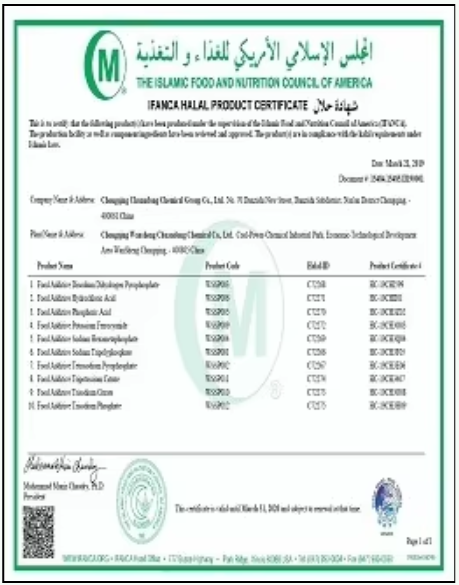
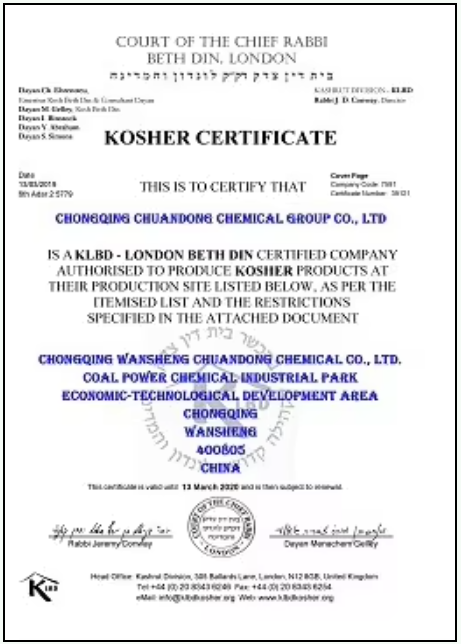
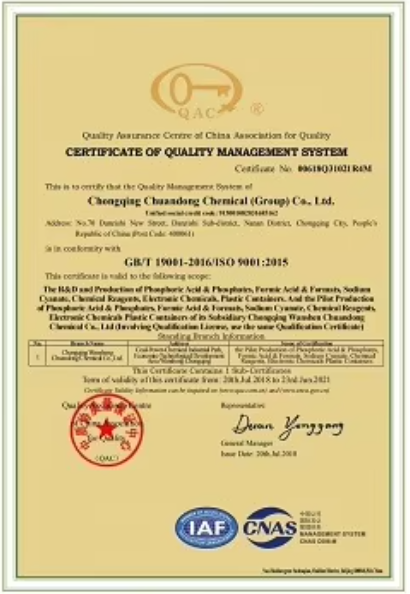
Food-grade buyers often confirm certificate status before RFQ. Please share destination market, application, and annual demand for the correct document set.
Storage, Handling & Food Safety
- Store in a cool, dry, and odor-free warehouse
- Protect from moisture and contamination during storage and handling
- Use food-grade containers and clean handling procedures
- Shelf life is typically 18–24 months under proper storage conditions
Quality, Documents & Buyer Resources
Not for food use? View our Industrial Grade Sodium Tripolyphosphate for detergent and water treatment applications.
Food Grade STPP FAQ
Q1: Is food-grade STPP the same as E451(i) / INS 451?
A: In food applications, Sodium Tripolyphosphate (STPP) is commonly associated with E451(i) and INS 451, depending on the labeling or regulatory system used by the destination market.
Q2: What is food-grade STPP mainly used for in processing?
A: Food-grade STPP is commonly used in meat and seafood processing and may also be evaluated in noodles and selected prepared foods where manufacturers need better moisture retention, texture support, and process consistency.
Q3: Why is STPP used in seafood processing?
A: In selected seafood systems, STPP can help support moisture management, reduce drip loss, and improve finished texture during freezing, thawing, and further processing, depending on the formulation and process design.
Q4: What is the difference between food-grade STPP and industrial STPP?
A: Food-grade STPP is supplied for food additive use with food-focused document support and buyer review requirements. Industrial STPP is used in non-food sectors such as detergent, cleaning, and water treatment and should not be used as a food additive.
Q5: What is the typical dosage for meat and seafood applications?
A: Typical use levels depend on product type, process, and local regulations. Common reference ranges are usually reviewed together with yield, texture, and sensory targets. Contact us with your product type and target market for more specific support.
Q6: Do you provide FCC-related documents or destination compliance files?
A: Yes. We can prepare a document pack based on your target market and buyer requirements. Please specify destination country and requested standards when you contact us.
Q7: What heavy metal items are included in the COA?
A: A typical food-grade COA may include items such as arsenic, lead, fluoride, and other checks required by your customer or market. Request our latest COA to confirm the exact tested items and current ranges.
Q8: Do you provide samples before bulk orders?
A: Yes. Samples are available for qualification and lab testing. Please share your application, target specification, and shipping details.
Contact Us for Food-Grade STPP SupplyWhatsApp: Talk to Food Additive Specialist