Why Phosphates Matter in Industry

Industrial performance often fails for predictable reasons: uncontrolled particle interactions, hard-water ions, and unstable pH. Industrial phosphates solve these problems by controlling ions and surfaces — enabling stable, repeatable production outcomes.

Without deflocculant
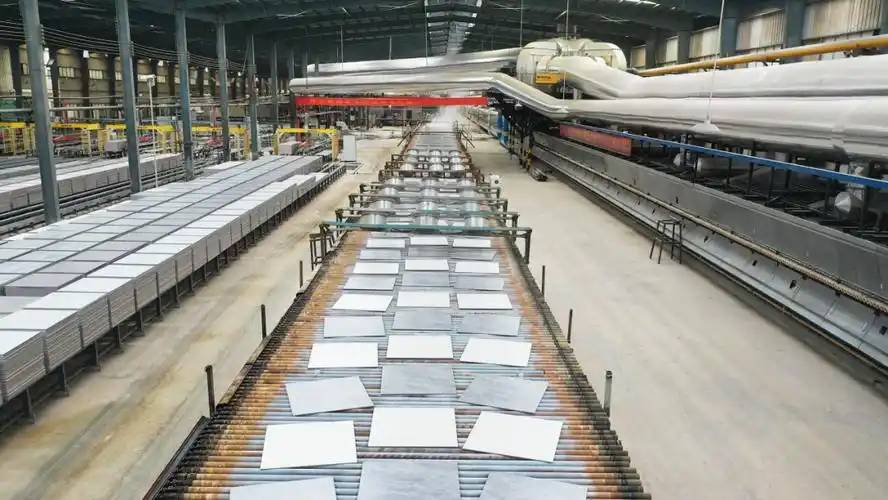
Ceramic slurry viscosity too high → energy waste and unstable spray drying.
Without sequestration
Ca2+/Mg2+ scaling in boilers → downtime and maintenance cost.
What phosphates deliver
Controlled dispersion (SHMP) • water softening (STPP) • alkaline buffering (TSPP)

Product–Application Matrix (Choose the Right Phosphate)

Use the matrix below to match process problems → chemistry → product selection. Dosage is a starting range for engineering trials and must be optimized with your raw materials and conditions.

Application Recommended Phosphate Key Function Typical Dosage (starting range)
Ceramic slurry Industrial STPP Deflocculant (reduce water demand, control viscosity) 0.2–0.5% (dry basis)
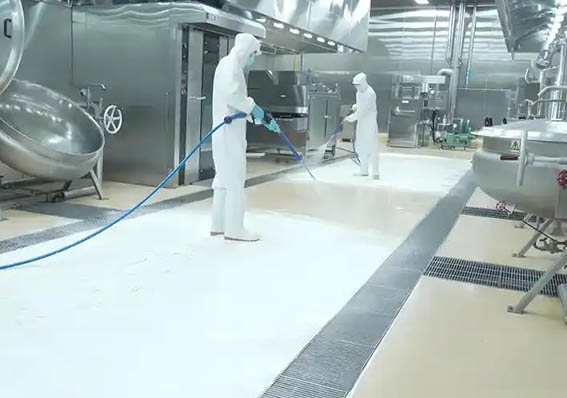
Industrial detergents STPP or
SHMP
Water softening, soil suspension, anti-redeposition support 10–30% (builder system dependent)
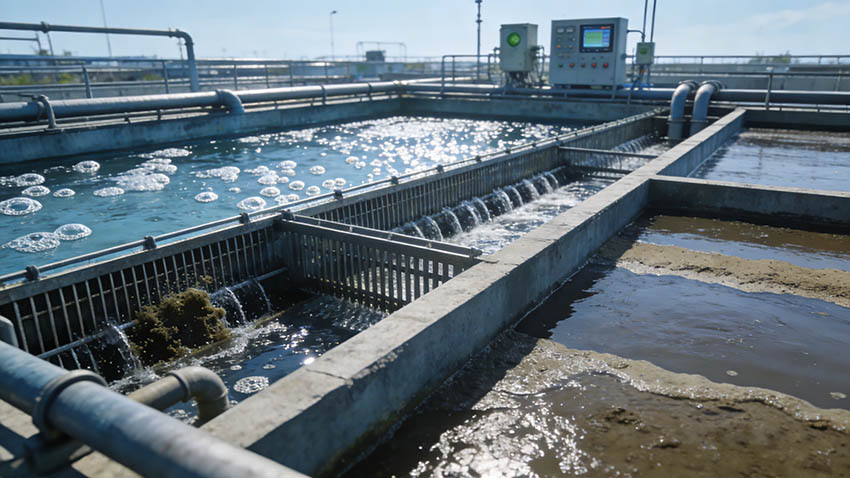
Water treatment / cooling water SHMP (68%) Scale inhibition / sequestration (CaCO3 control) 2–10 ppm
Textile processing TSPP pH buffering and metal ion control 0.5–2%

Mobile UX: the matrix table is horizontally scrollable.

Deep Dive: Top 3 Industrial Use Cases

stpp-industrial-detergent-water-softening

Ceramics: STPP as a Deflocculant

How it works: adsorbs on clay particles and increases charge repulsion → reduces agglomeration and slurry viscosity.

Benefit: lower water demand can reduce drying load and improve stability in spray drying.

Tip: avoid over-dosing — excessive dispersant may destabilize rheology (including gelation in some systems).

Need support? Contact our technical team.

stpp-industrial-detergent-water-softening

Detergents: Why STPP Works

Mechanism: controls Ca2+/Mg2+ to improve surfactant efficiency and reduce redeposition.

Multi-functional: softening + soil suspension support + alkalinity contribution.

Note: builder choices can be regulated by destination market. For formulation help,
contact our technical team.

shmp-water-treatment-scale-inhibition

Cooling Water: SHMP for Scale Control

How it works: forms soluble complexes with Ca2+ → reduces CaCO3 precipitation risk.

Compatibility: often used in programs with other inhibitors (confirm system chemistry).

Tip: monitor residuals and discharge requirements. Need guidance?
Contact our technical team.

Quality & Specification Guidance (Industrial Buyers)

Industrial performance depends on spec consistency. Verify the parameters that control solubility, residue risk, and handling stability.

Key QC Parameters (examples)

  • P2O5: verify grade target (e.g., SHMP 68% grade)
  • Insolubles: ≤ 0.1% (critical for ceramics and water systems)
  • pH (1% solution): confirm within your process window
  • Moisture: impacts caking and dosing stability
  • Particle size: impacts dissolution speed and handling

Documentation & Packaging

  • Docs: COA (per batch), SDS (GHS), TDS/spec sheet
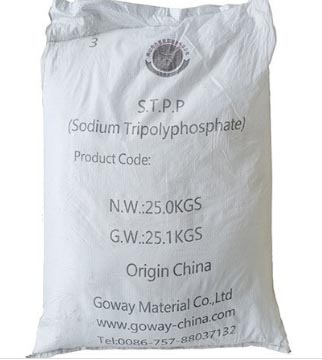
  • Packaging: 25kg PP bags (PE liner) • jumbo bags 500–1000kg
  • Export support: ISO 9001; additional files for EU exports if required
industrial-phosphate-coa-packaging-placeholder

Featured Industrial Guides

Technical FAQs

No. Industrial grade may contain a different impurity profile and is not manufactured for food additive purity requirements.
Never use industrial grade in food. If you need edible applications, request the correct food-grade documentation and grade.

Partially. SHMP is cost-effective for moderate hardness and is often used in blends. Replacement feasibility depends on water chemistry,
temperature, cycles of concentration, and discharge requirements. Share your water analysis for a proper recommendation.

Typical shelf life is 24 months if stored sealed in a dry warehouse. Many phosphates are hygroscopic — keep bags closed,
avoid humidity, and use liners for long transit to reduce caking.

Yes. We provide SDS (GHS), TDS/spec sheet, and batch COA. For destination-specific import documents,
tell us your country/region and application so we can prepare the correct file set.

Next Steps

For the fastest response, include: industry, target application, current pain points (viscosity/scale/cleaning performance), required spec, packaging, quantity, and destination port.