
The definitive water-reducing agent for high-efficiency ceramic production. ✅ Reduce Water Content: Save 10-15% energy in spray drying towers. ✅ Improve Flowability: Achieve optimal viscosity without adding excess water. ✅ Flawless Glaze: Eliminate pinholes and “crawling” defects. Get Technical Data Sheet (TDS) The definitive deflocculant and water-reducing agent for high-efficiency ceramic production. ✅ Reduce Water […]
Category Archives: phosphide
This category brings together core knowledge about phosphates, including their chemistry, structure, key types, and roles in modern industry.
Sodium Acid Pyrophosphate (SAPP), chemically known as Disodium Pyrophosphate (Na₂H₂P₂O₇), is the gold standard leavening acid for the baking industry. It determines the volume, texture, and taste of everything from donuts to baking powders. As a specialized phosphate manufacturer, Goway Chemical supplies premium SAPP (E450i) with precise “Rate of Reaction” (ROR) control to meet specific […]
Tetrasodium Pyrophosphate (TSPP), also known simply as Sodium Pyrophosphate, is a powerful alkaline phosphate used to emulsify proteins in meat, control tartar in toothpaste, and chelate magnesium in detergents. As a manufacturer, Goway Chemical helps buyers distinguish between the various pyrophosphates to ensure the right functionality for your formulation. TSPP increases the pH and ionic […]
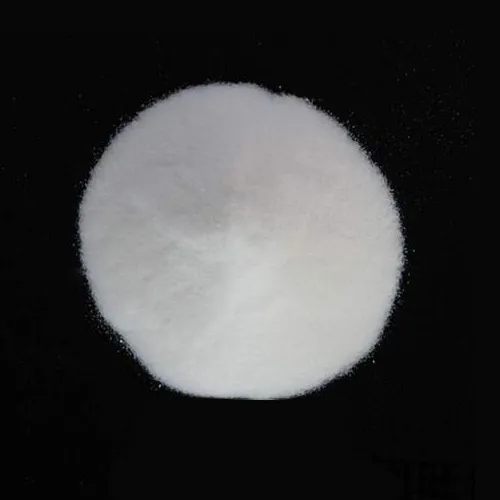
Sodium Acid Pyrophosphate (SAPP) is one of the most widely used food-grade phosphates in bakery, fried foods, processed meats, and instant products. Known for its controlled reaction rates and functional versatility, SAPP plays a crucial role in leavening systems, color stabilization, texture improvement, and pH adjustment. This guide explains SAPP’s chemical behavior, type classifications, application […]

Phosphate additives play a central role in food processing, detergents, ceramics, and other industrial formulations. Among them, sodium tripolyphosphate (STPP), sodium hexametaphosphate (SHMP), and tetrasodium pyrophosphate (TSPP) are the most frequently used due to their unique chemical behaviors and broad functionality. Although these phosphates belong to the same family, their performance and application suitability vary […]
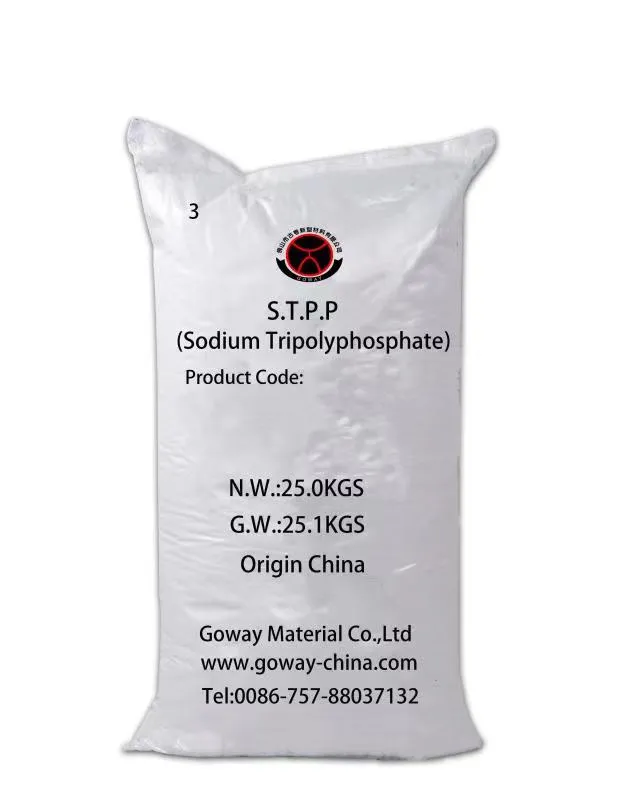
Choosing the right phosphate supplier is critical for manufacturers in food processing, detergents, ceramics, water treatment and other industries. Phosphates such as sodium tripolyphosphate (STPP), sodium hexametaphosphate (SHMP), pyrophosphates and other salts directly influence product performance, regulatory compliance and long-term cost. This guide outlines the key criteria to consider when evaluating phosphate suppliers and how […]

If you’ve ever checked the label on a cereal box, a bottle of oat milk, or an electrolyte drink, you may have come across tripotassium phosphate. It’s one of those ingredients that often goes unnoticed until you start paying attention. Once you see it, though, the name itself raises questions. What is it? Why is it […]
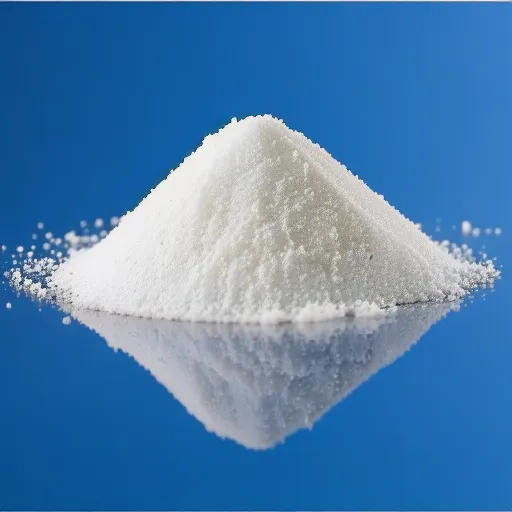
Phosphate is one of those quiet essentials that most people overlook until they start paying attention. You’ll find it in your food, your garden soil, your detergent, and even inside your own DNA. It supports life at the cellular level, drives global agriculture, and plays a major role in many industrial products you use every […]
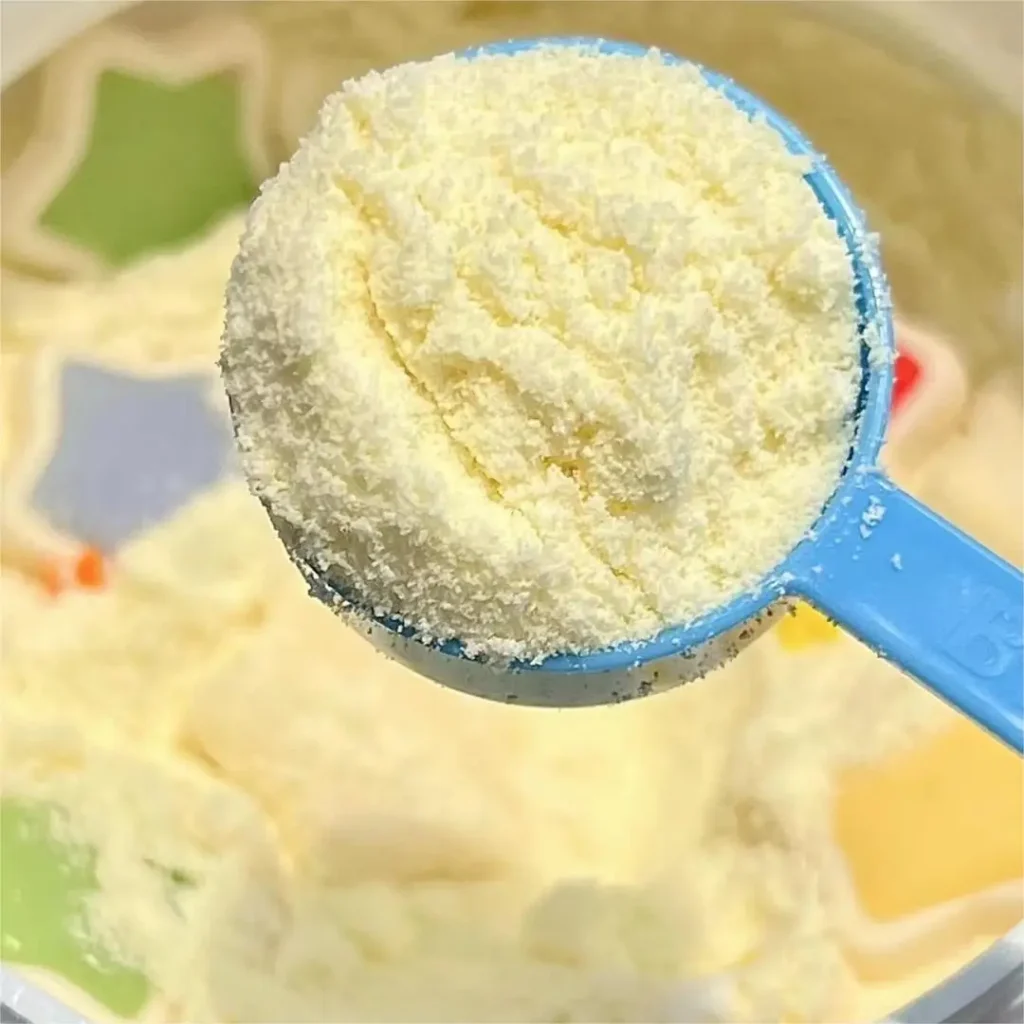
Is Dipotassium Phosphate Bad for You? A Clear Science-Based Review Take a look at almost any plant-based milk, a scoop of protein powder, or a powdered coffee creamer, and you’ll probably see dipotassium phosphate listed among the ingredients. Many people overlook it—until they pause and ask, “What actually is this, and is it something I should worry about?” […]
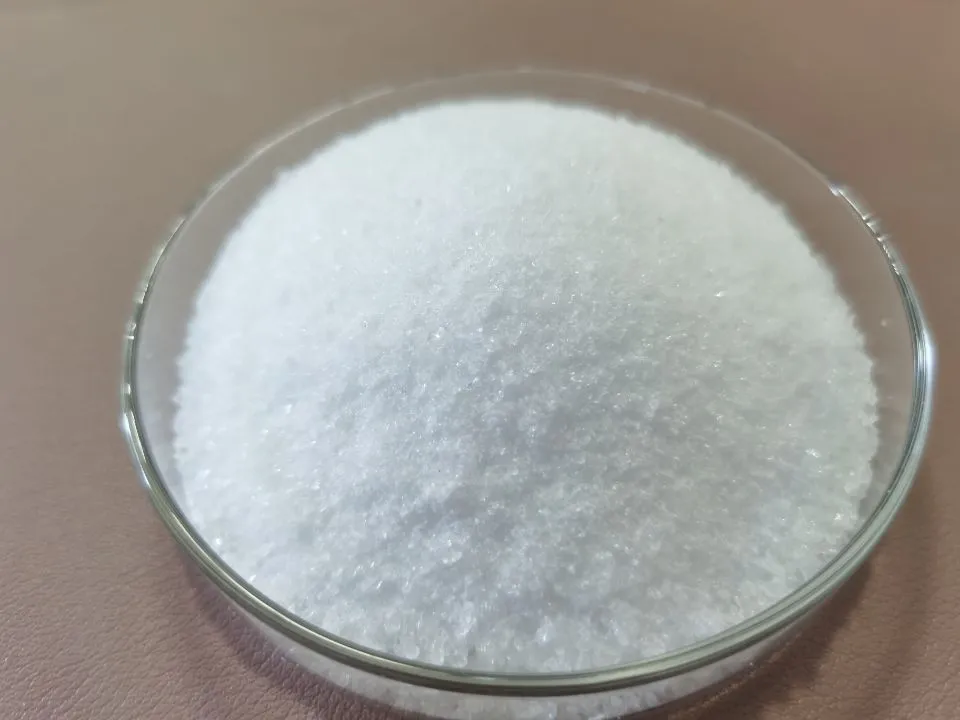
Phosphate is an essential inorganic compound widely used in food, agriculture, water treatment, detergents, pharmaceuticals, and biotechnology. Derived from natural minerals, it plays vital roles as a nutrient, stabilizer, and functional additive in numerous industrial and biological processes. Phosphate is a chemical compound containing the phosphate ion (PO₄³⁻) derived from phosphoric acid. It naturally occurs in rocks, minerals, and living organisms. Industrially, phosphates are extracted […]