

Food-grade phosphates play a critical role in modern food processing, supporting functions such as water binding, pH adjustment, protein modification, emulsification, color preservation, leavening, and texture enhancement. They are widely used across meat and poultry processing, seafood handling, bakery products, dairy systems, instant foods, and fried snacks. This guide provides a comprehensive overview of food […]
Category Archives: Food grade phosphate
This category collects articles about food grade phosphate ingredients, including STPP, SHMP and related applications in meat, seafood, dairy and bakery products.

Sodium tripolyphosphate (STPP) is one of the most widely used functional phosphates in the shrimp-processing industry. When applied correctly, STPP improves water-holding capacity, reduces drip loss, protects muscle texture, and enhances product yield. However, improper usage can lead to texture softening, compliance issues, or negative consumer perception. This guide provides processors, exporters, and seafood manufacturers […]
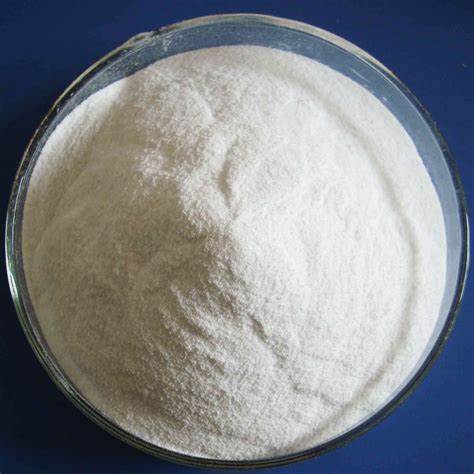
Phosphate compounds are discovered in many foods, supplements, and commercial applications– and one of the most versatile is dipotassium phosphate . Together with other versions like disodium phosphate and other phosphate salts, these substances act as stabilizers, emulsifiers, barriers, and nutrient resources. In the food sector, they are essential for structure, stability, and nutrition. This article will explore the scientific […]

Phosphate soft drink — when a staple of the soda water fountain’s food selection — is making a nostalgic return. With its distinctive sour taste , lively fizz, and zesty kick from acid phosphate , this distinctively American soft drink fountain beverage was loved by youngsters and grownups alike from the 1870s with the 1950s. Long before soft drinks was available in canisters and containers, individuals […]

Sodium tripolyphosphate (STPP) is widely used in frozen shrimp and other aquatic products to help retain moisture, protect texture, and maintain quality during freezing and thawing. Although it is approved by global food safety authorities, many consumers still have questions about whether STPP-treated shrimp is safe to eat. This updated guide provides a deeper, science-backed […]

The Origins of Sodium Tripolyphosphate (STPP) Sodium Tripolyphosphate, commonly known as STPP, was first synthesized in the early 20th century by German chemist Fritz Löffler. Löffler’s groundbreaking work paved the way for the development of this versatile compound, which would later find its place in the food industry. Initially, STPP was primarily used in industrial […]

Sodium tripolyphosphate (STPP) is a widely used food-grade phosphate that plays a vital functional role in modern food processing. Known for its strong hydration, emulsification, and chelation properties, STPP helps improve product stability, texture, and overall processing efficiency. As a core ingredient in numerous formulations, STPP is essential for meat, seafood, dairy, and bakery applications. […]
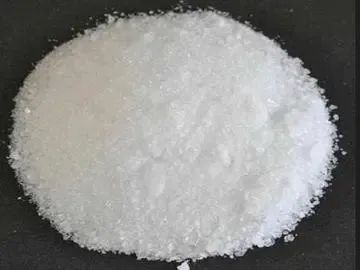
Sodium Hexametaphosphate Application in the Food Industry Food-grade sodium hexametaphosphate (SHMP) is a very important phosphate used in modern food processing. As a multifunctional additive, it combines the roles of sequestrant, stabilizer, water retention agent, and texture improver. From beverages and dairy products to meat, noodles, and confectionery, SHMP helps manufacturers achieve better stability, appearance […]
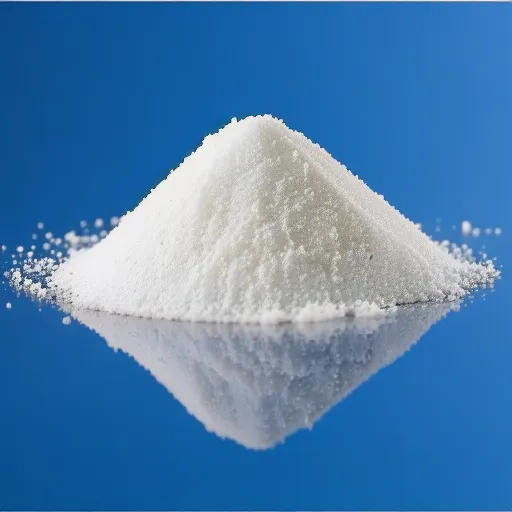
Exploring the mystery of food additives: Application and safety analysis of sodium tripolyphosphate Introduction Sodium tripolyphosphate is a widely used food additive that plays an important role in food processing. This article will discuss the properties of sodium tripolyphosphate, its use, and its safety assessment in the food industry.Properties and uses of sodium II, tripolyphosphate […]
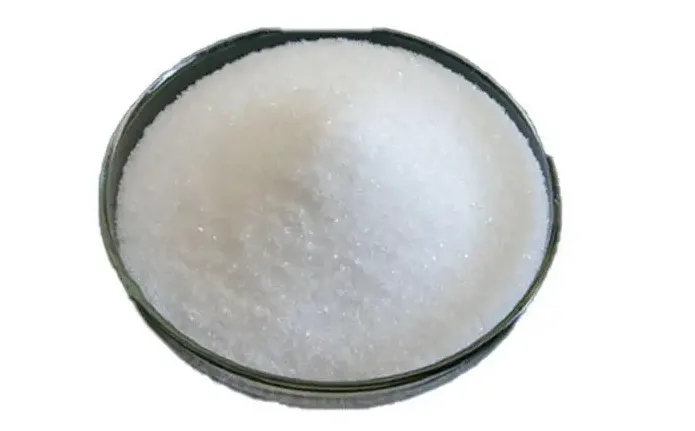
Focus on the Multiple Functions of Food-Grade Sodium Pyrophosphate in Processing Sodium Pyrophosphate’s Processing VersatilityFood-grade Sodium Pyrophosphate is not just a quality-modifying agent; it also acts as an emulsifier, buffer, and chelating agent. Its chelating and dispersing effects are significant, providing anti-flocculation, fat oxidation prevention, and adhesion of cheese proteins. Its high pH value […]