
Sodium Tripolyphosphate (STPP): Manufacturer’s Guide to Uses, Grades & Buying
Sodium tripolyphosphate (STPP) is a widely used phosphate salt valued for water treatment, dispersing, chelation, and emulsification. In global B2B supply chains, STPP is commonly specified by grade (food/industrial), purity, P2O5 content, whiteness, and performance in hard water systems.
As a leading phosphate manufacturer, Goway Chemical provides this technical guide to help buyers navigate specifications and select the right STPP for their production lines.
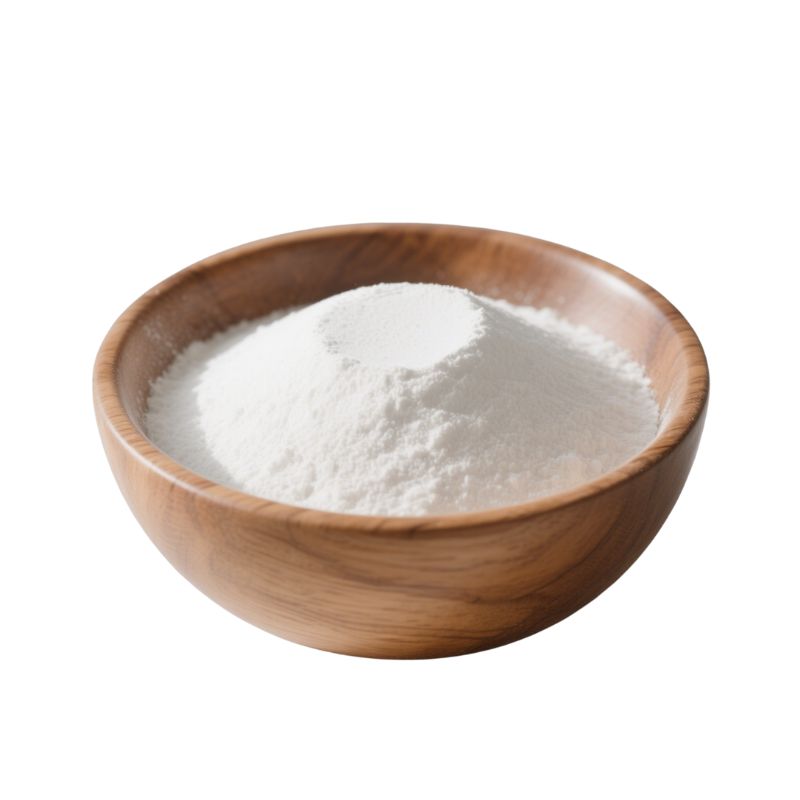
Goway Chemical High Purity STPP Powder (Industrial & Food Grade)
What is STPP? (Chemical Profile)
STPP (CAS: 7758-29-4) is an inorganic polyphosphate typically supplied as a white powder or granules. It is chemically designed to bind metal ions, stabilize formulations, and improve cleaning and processing efficiency. It is frequently selected when a process needs reliable sequestration (Ca/Mg control) and dispersion (preventing re-deposition or agglomeration).
Key Functions in Formulations
Why do formulators choose STPP over other salts? It offers a unique combination of properties:
- Sequestration (Chelation): Acts as a water softener by binding hardness ions (Ca²⁺/Mg²⁺), protecting the efficacy of surfactants.
- Dispersion & Peptization: Keeps soils, pigments, and ceramic clays suspended, preventing settling and scaling in pipes.
- pH Buffering: Maintains alkalinity (pH 9.2–10.0), ensuring consistent processing conditions in detergent and textile systems.
- Emulsification: In food applications, it helps protein and fat mix evenly, crucial for processed meats.
Common Applications
1. Detergent and Cleaning Industry
STPP is historically the most effective “builder” for synthetic detergents. It improves wash results by binding hardness ions, preventing dirt from re-depositing on fabrics, and boosting the cleaning power of surfactants in laundry powders and dishwashing tablets.
2. Industrial Processing (Ceramics & Water Treatment)
Used extensively in ceramics as a degumming agent to reduce slurry viscosity. It is also vital in mining flotation, leather tanning, and boiler water treatment. For broader use cases, see our guide on industrial phosphate applications.
3. Food Processing (Moisture & Texture)
In food-grade systems, STPP (E451) is used for water retention in seafood (shrimp/fish), emulsification in sausages, and texture improvement in noodles. If you source food-grade phosphates, explore phosphate for food processing.
How to Specify STPP for Purchasing
When requesting a quote from China, clarifying these specs will save you time:
- Grade: Food Grade (low heavy metals, Arsenic <3ppm) vs. Industrial Grade (standard detergent use).
- Form: Powder (200 mesh, fast dissolving) vs. Granular (low dust, better flowability).
- Phase Type: Phase I (generates heat, fast hydration) vs. Phase II (slow hydration, preferred for detergents).
- Packaging: Standard 25 kg bags, 1000 kg Jumbo bags, or palletized options for safe export.
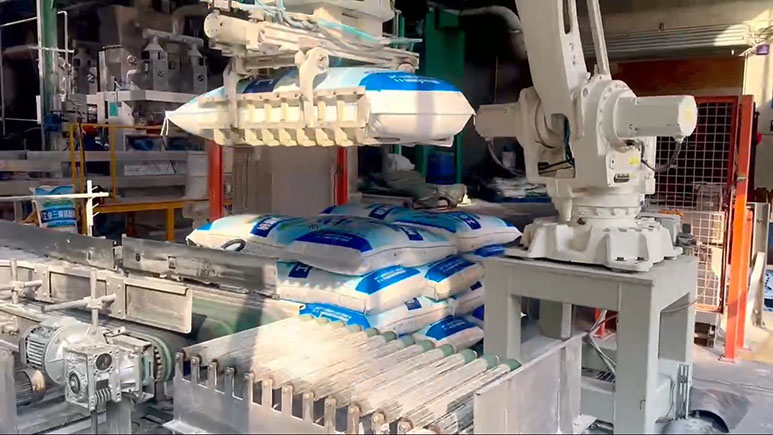
Professional warehousing and container loading ensures goods arrive safely.
STPP vs. SHMP: Which One Fits Better?
This is a common dilemma. Generally:
- Choose STPP if you need strong pH buffering and “builder” effects in detergents.
- Choose SHMP (Sodium Hexametaphosphate) if you need higher sequestration capacity (calcium binding value) and stronger dispersant properties for pigments or refractory materials.
Selection should be based on your target ions, pH window, and stability needs.
Quality & Compliance Notes
For regulated use (especially food applications), ensure you receive the correct grade documentation and batch COA (Certificate of Analysis). If you need consistent sourcing, visit sodium tripolyphosphate for food or browse food-grade phosphate wholesale.
FAQ about Sodium Tripolyphosphate
Is STPP the same as sodium phosphate?
STPP is a specific type of sodium phosphate (a polyphosphate). “Sodium phosphate” is a broad term that can also refer to MSP, DSP, or TSP, which have different pH levels and applications.
What is the difference between powder and granular STPP?
Powder typically dissolves faster but can generate more dust during handling. Granular STPP is often preferred for automated industrial feeding systems to reduce dust and improve flow.
How do I choose between STPP and SHMP?
Choose based on the ions you need to control and the pH range. STPP is better for alkaline buffering, while SHMP offers superior calcium sequestration power per unit weight.
Request a Quote
If you’re sourcing STPP for detergent, industrial processing, or compliant food-grade applications, contact Goway Chemical today.
We provide: Technical Data Sheets (TDS), Free Samples, and Customized Packaging.
