
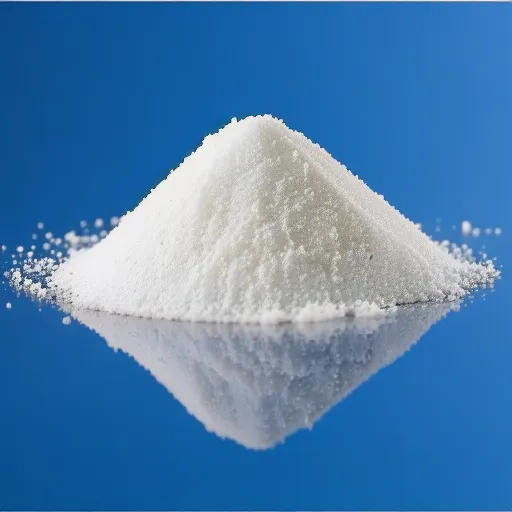
Phosphate is an essential nutrient that plays a core role in life and industry.
In living organisms, it is involved in energy production, genetic material, bone formation, and cell membranes.
In the industry, phosphate is a key raw material for fertilizers, detergents, and various food grade phosphate products.:contentReference[oaicite:0]{index=0}
This article explains what phosphate is, how it works in the human body, where it comes from in the diet, what happens when levels are out of balance, and how phosphates are used in industrial and food applications.
1. What Is Phosphate?
Chemically, phosphate is a compound that contains phosphorus (P) and oxygen (O).
The most common form in biology is the phosphate ion (PO43−).
Phosphate is part of many important molecules in the body, including:
- DNA and RNA – phosphate groups form the backbone of our genetic material.
- ATP (adenosine triphosphate) – the “energy currency” of cells, storing and releasing energy through phosphate bonds.:contentReference[oaicite:1]{index=1}
- Phospholipids – major components of cell membranes.
- Many enzymes and cell signaling molecules – phosphate groups act as “on–off switches” in metabolic pathways.
Because of these functions, phosphate is absolutely essential for normal growth, development and day-to-day metabolism.
2. How Does the Body Use Phosphate?
After you eat phosphate from food, it is absorbed mainly in the small intestine and transported into the bloodstream.
About 85% of the body’s phosphate is stored in bones and teeth in the form of calcium phosphate (hydroxyapatite), which gives them strength and rigidity.:contentReference[oaicite:2]{index=2}
Key roles of phosphate in the body include:
- Building bones and teeth together with calcium.
- Providing and transferring energy through ATP and other phosphorylated compounds.
- Supporting muscle contraction and nerve signaling.
- Helping maintain acid–base balance as part of the body’s buffering systems.
3. The Relationship Between Calcium and Phosphate
Calcium and phosphate are closely linked minerals.
They work together to build and maintain a strong skeleton, and the body carefully regulates their levels in the blood and tissues.
Several hormones are involved in this regulation, including:
- Parathyroid hormone (PTH) – increases blood calcium, reduces kidney reabsorption of phosphate, and can increase phosphate release from bone.
- Vitamin D – promotes intestinal absorption of both calcium and phosphate.
- Fibroblast growth factor 23 (FGF23) – helps lower blood phosphate by reducing intestinal absorption and kidney reabsorption.:contentReference[oaicite:3]{index=3}
Keeping a proper balance of calcium and phosphate is critical.
If the ratio is disturbed for a long time, it may affect bone density and overall skeletal health.
4. Phosphate Homeostasis: Keeping Levels in Balance
Phosphate homeostasis refers to the tight control of phosphate concentration in blood and tissues.
The body maintains this balance through four main processes:
- Dietary intake – how much phosphate you get from food.
- Intestinal absorption – how efficiently your gut absorbs phosphate.
- Bone storage and release – bones act as a long-term reservoir.
- Kidney reabsorption and excretion – the kidneys decide how much phosphate to keep or eliminate in urine.:contentReference[oaicite:4]{index=4}
When phosphate levels rise, hormones signal the kidneys to excrete more.
When levels are too low, the body increases absorption and reduces excretion.
This dynamic system keeps phosphate within a narrow range that is safe for the body.
5. Dietary Sources of Phosphate
Most people get enough phosphate through a regular diet without needing supplements.
Major natural sources include:
- Meat and poultry
- Fish and seafood
- Dairy products such as milk, cheese and yogurt
- Nuts and seeds
- Whole grains and legumes:contentReference[oaicite:5]{index=5}
In addition, phosphates are used as food additives in many processed foods, for example processed meat, cheese products, baked goods and soft drinks.
These phosphates help improve texture, water holding capacity, colour and shelf life.
For food manufacturers that need reliable phosphate ingredients, Goway supplies a full range of
phosphate for food applications, including STPP, SHMP, SAPP and sodium pyrophosphate.
6. What Happens When Phosphate Levels Are Too Low or Too High?
6.1 Low phosphate (hypophosphatemia)
Hypophosphatemia means that blood phosphate levels are below the normal range.
Severe or long-term deficiency may cause::contentReference[oaicite:6]{index=6}
- Muscle weakness and fatigue
- Bone pain or increased risk of fractures
- Impaired growth in children
- Problems with red blood cells, nerves or immune function in extreme cases
Low phosphate can be related to poor dietary intake, certain genetic disorders, malabsorption, or kidney problems that cause excessive phosphate loss.
6.2 High phosphate (hyperphosphatemia)
Hyperphosphatemia refers to abnormally high levels of phosphate in the blood.
It most often occurs in people with advanced kidney disease, because the kidneys cannot excrete phosphate efficiently.:contentReference[oaicite:7]{index=7}
High phosphate can contribute to:
- Calcification of blood vessels and soft tissues
- Cardiovascular complications
- Disturbed calcium balance and bone disorders
For patients with chronic kidney disease, doctors may advise limiting dietary phosphate, choosing foods with lower phosphate additives, or using phosphate binders.
7. How Is Phosphate Excreted?
The kidneys are mainly responsible for removing extra phosphate from the body.
Blood is filtered through the kidney glomeruli; phosphate is then either reabsorbed back into the bloodstream or excreted into urine.
Under normal conditions, a large percentage of filtered phosphate is reabsorbed.
Hormones such as PTH and FGF23 can change the activity of sodium–phosphate transporters in the kidney tubules, thereby increasing or decreasing phosphate excretion to maintain balance.:contentReference[oaicite:8]{index=8}
8. Industrial and Food Uses of Phosphate
Beyond its biological functions, phosphate is also a key raw material in many industries:
- Fertilizers – the majority of mined phosphate rock is converted into phosphate fertilizers to support global agriculture and crop yields.
- Food processing – phosphates improve water retention, texture, pH control and stability in meat products, dairy, baked goods and beverages.
- Detergents and cleaning agents – certain phosphates help soften water and enhance cleaning efficiency.
- Industrial applications – including ceramics, metal treatment, water treatment and many other fields.:contentReference[oaicite:9]{index=9}
Goway specializes in industrial phosphates and food grade phosphates, offering stable quality and customized technical support for different application scenarios.
9. Summary
Phosphate is far more than just a chemical formula.
It is a key component of DNA, RNA, ATP, bones, teeth and cell membranes, and it is involved in almost every major metabolic process in the body.
At the same time, phosphate products are indispensable in agriculture, food processing and many industrial sectors.
Understanding what phosphate is and how it functions helps nutrition professionals, food manufacturers and industrial users use this important nutrient more effectively.
If you need reliable phosphate raw materials and technical support, feel free to contact Goway for more information.
