
0. Introduction: Why TCP is a “silent backbone” of modern industry
TCP is widely used in modern manufacturing because it can deliver functionality (flowability, buffering), nutrition (calcium/phosphorus contribution), and materials performance (bioceramic scaffolds) in one cost-effective ingredient.
1. What Is Tricalcium Phosphate? Chemistry & Core Properties
1.1 Chemical identity (quick facts)
- Chemical formula: Ca3(PO4)2
- CAS No.: 7758-87-4
- Food additive name: E341(iii) (also called Calcium Phosphate Tribasic)
Note: In commerce and compendial standards, “tribasic calcium phosphate” may be described as a controlled mixture of calcium phosphate species with defined assay and impurity limits, rather than a single ideal crystal.
1.2 Physical & chemical properties (why it behaves the way it does)
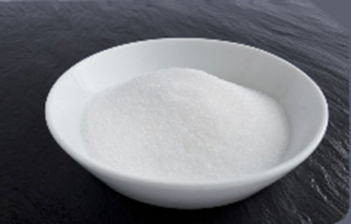
- Appearance: White, odorless, tasteless powder
- Solubility: Practically insoluble in water; dissolves in dilute acids (important for bioavailability in acidic conditions)
- Typical pH (10% suspension): Commonly near neutral (~6.5–8.0), depending on grade and process
1.3 Natural vs. synthetic TCP (and why “grade” matters)
- Calcium phosphates are central to bones and teeth (apatite-family minerals).
- For regulated applications, suppliers typically provide synthetic, controlled-purity TCP to ensure consistency—especially for food and pharmaceutical use.
Part of Goway’s comprehensive Phosphates Encyclopedia.
2. Is TCP Safe? Global Regulations + Scientific Consensus
2.1 Regulatory approvals (what you can cite)
- FDA (U.S.): Listed as GRAS for use in food under 21 CFR §182.1217 (calcium phosphate, including tribasic), when used in accordance with GMP.
- EU (EFSA / EU additives framework): Approved food additive under E341(iii).
- JECFA (FAO/WHO): Evaluated with intake guidance for phosphate salts (often presented as “ADI not specified” or group guidance in context of phosphorus).
- Compendial standards: FCC / USP / Ph. Eur. style specifications are commonly used for food/pharma procurement and quality control.
2.2 Toxicology summary (plain language)
Across major frameworks, TCP is generally regarded as safe when produced to the appropriate grade and used within applicable regulatory limits. Typical evaluation conclusions do not indicate mutagenic, carcinogenic, or teratogenic concerns at permitted use levels, and the body regulates calcium/phosphate through normal physiological pathways.
2.3 Practical safety boundaries (what to communicate responsibly)
- Normal intake: Supports mineral nutrition (calcium/phosphate) and functional performance (anti-caking).
- Excess risk (uncommon): Overconsumption of total calcium/phosphate (especially from supplements) may be a concern for susceptible individuals.
- Who should be cautious: People with severe kidney disease should follow medical advice regarding phosphate/calcium intake.
- Mineral interactions: Very high mineral loading in diets can affect absorption of other minerals (iron/zinc) depending on overall diet and timing.
2.4 Industrial vs. food/pharma grade (the #1 compliance trap)
⚠️ Important: Industrial-grade TCP must never be used for food or pharmaceuticals.
Food/pharma grades require tighter impurity control (e.g., heavy metals, fluoride) and full documentation.
For procurement, request a COA for every lot (assay, heavy metals, fluoride, loss on ignition, etc.) and confirm which standard (FCC / USP / Ph. Eur. / customer spec) the supplier is meeting.
3. TCP Uses: A Global Application Map
3.1 Food & nutrition (Food Grade)
- Anti-caking agent: Helps keep powders free-flowing (e.g., powdered foods, dry blends, supplements).
- Calcium fortification: Used to increase calcium content in cereals, meal replacements, and other fortified products.
- pH buffering / stability: Supports formulation stability in certain processed foods.
3.2 Pharmaceuticals & medical (Pharma Grade)
- Tablet excipient: Used as a functional excipient (e.g., filler) where appropriate.
- Bone repair materials: Porous β-TCP scaffolds can be resorbable and support bone regeneration, are fully resorbed and replaced by natural bone within 6–18 months.
3.3 Feed & industrial (Feed/Industrial Grade)
- Feed mineral source: Provides calcium and phosphorus nutrition (spec and species dependent).
- Toothpaste / personal care: Used in some formulations as a mild abrasive/functional mineral.
- Ceramics / industrial processing: Used in certain mineral/ceramic systems where suitable.
4. How to Choose the Right TCP: Grade, Specs & Certifications
4.1 Grade selection table
| Dimension | Food Grade | Pharma Grade | Feed / Industrial Grade |
|---|---|---|---|
| Typical purity expectation | High, with defined impurity limits (buyer/regulatory driven) | Highest, aligned with pharmacopeial expectations | Variable (application dependent) |
| Key QC indicators | Assay + heavy metals + fluoride + LOI + insolubles | Assay + strict heavy metals + traceability + pharma documentation | Assay often required; impurity limits vary |
| Common certifications | FSSC 22000 / Halal / Kosher (supplier dependent) | GMP evidence; DMF (as applicable) | ISO 9001 (common) |
| Typical packaging | 25 kg lined food-grade bags | Double-sealed drums/bags to reduce contamination risk | Industrial woven bags / big bags |
| Use boundary | Food processing & nutrition | Pharmaceutical formulations & medical use | Feed and industrial applications |
4.2 Procurement checklist (copy/paste)
- Confirm target grade: Food / Pharma / Feed / Industrial
- Request COA per lot: assay, heavy metals (As/Pb), fluoride, LOI, insolubles
- Request TDS (particle size, application guidance) and SDS
- Confirm applicable standard: FCC / USP / Ph. Eur. / customer spec
- Confirm packaging and traceability requirements (especially for food/pharma)
5. FAQ
Q: Is TCP the same as bone meal?
No. Bone meal is unrefined and can vary in composition and contaminants. Synthetic TCP is manufactured with controlled quality specifications and consistent performance for regulated use.
Q: Can TCP cause kidney stones?
Typically only in cases of excessive total calcium intake or pre-existing kidney disease.
Normal dietary use within regulatory limits is generally considered safe.
Q: Why is TCP used in powdered supplements?
It helps prevent caking and can support calcium fortification without strong off-taste, while maintaining good powder flow and stability.
Compare Phosphates
See how Tricalcium Phosphate stacks up against MCP, DCP, STPP, and other phosphates in our definitive guide:
6. Conclusion: Use TCP scientifically to power product innovation
Tricalcium phosphate (TCP) is a multi-functional, widely accepted ingredient across food, pharma, and feed—when you match the right grade to the right compliance standard and control impurity risks through COA-based procurement.
