
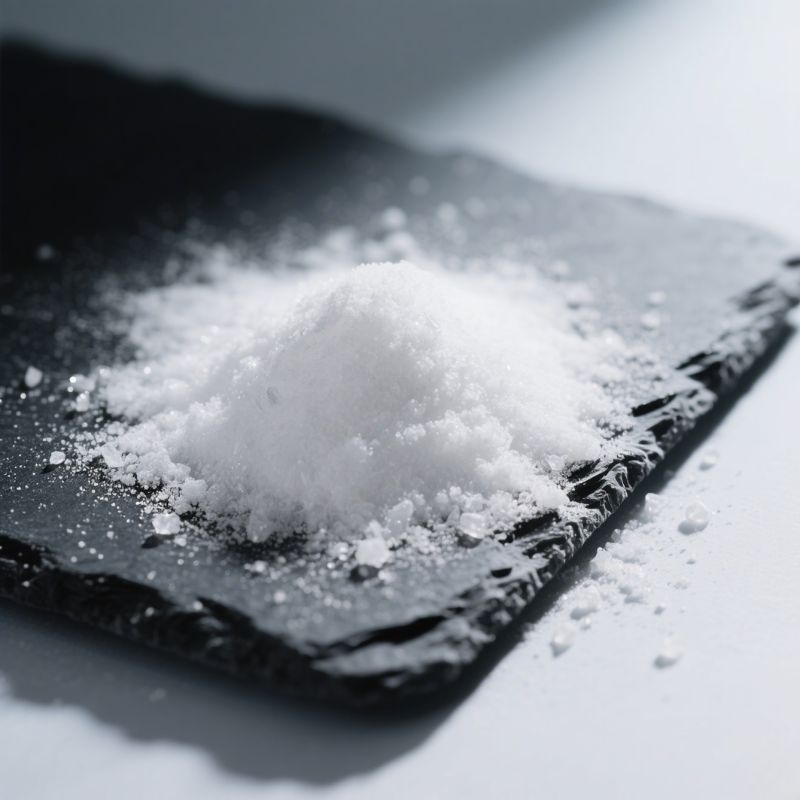
Sodium tripolyphosphate (STPP) is one of the most important condensed phosphate salts used in both food processing and industrial applications. It combines strong sequestration, buffering and water-binding functions, making it a versatile tool for meat and seafood products, detergents, ceramics, water treatment and other technical fields. This guide summarizes the chemistry, specifications, key functions and typical applications of STPP, with practical notes for formulators and buyers.
Chemistry and Basic Properties of STPP
STPP is a sodium salt of triphosphoric acid. It is typically produced by reacting phosphoric acid with sodium carbonate or sodium hydroxide, followed by dehydration at controlled temperatures. The resulting product is a mixture of linear tripolyphosphate species, usually represented as Na5P3O10.
Commercial STPP is supplied as a white crystalline powder or granular material. Key physical and chemical properties include:
- P2O5 content – an indicator of active phosphate content.
- Bulk density – important for handling, dosing and packaging, especially in powders.
- Solubility – high water solubility, with dissolution rate affected by particle size and temperature.
- pH – typically mildly alkaline in solution.
Food-grade and industrial-grade STPP are produced to different specifications, particularly with respect to heavy metal limits, purity, and microbiological criteria.
Food-Grade vs Industrial-Grade STPP
In commercial practice, STPP is offered in distinct grades for food and industrial use.
Food-Grade STPP
Food-grade STPP is manufactured under stricter quality controls and must meet tighter impurity limits. It is used at low levels in formulations where safety, taste, and regulatory compliance are critical. Typical applications include:
- Injection and tumbling brines for meat and poultry.
- Soaking solutions for fish and shrimp.
- Certain processed foods where moisture retention and texture stabilization.
For product-level information, see our food grade sodium tripolyphosphate page and our broader overview of phosphate for food processing.
Industrial-Grade STPP
Industrial-grade STPP is designed for detergents, ceramics, water treatment and other technical applications. Requirements focus on performance, stability and compatibility with other components in complex formulations. Typical applications include:
- Builders and sequestrants in powder and liquid detergents.
- Dispersants and process aids in ceramic bodies.
- Water treatment blends and industrial cleaners.
These uses are summarized in our industrial phosphates and chemicals guide.
Key Functional Properties of STPP
The broad usefulness of STPP comes from its combination of functional properties:
- Sequestration of hardness ions – STPP complexes calcium and magnesium ions, softening water and preventing the formation of insoluble deposits.
- pH buffering – helps maintain a mildly alkaline pH in many formulations.
- Dispersing and anti-redeposition – helps keep soils suspended in liquid, reducing redeposition on fabrics or surfaces.
- Water-binding and protein interaction – in food systems, STPP supports water-holding and protein extraction, improving texture and yield.
These functions make STPP an attractive choice whenever water quality, texture, or cleaning efficiency needs precise control.
STPP in Food Processing
In food processing, STPP is used at carefully controlled dosages to achieve specific functional outcomes without altering taste or appearance.
Meat and Poultry
In meat and poultry products, STPP is commonly used in injection or tumbling brines to:
- Increase water-holding capacity and improve juiciness.
- Support protein extraction, enhancing binding and sliceability.
- Reduce cooking loss and improve yield.
STPP is often used in combination with other phosphates such as pyrophosphates to fine-tune pH and texture.
Seafood and Aquatic Products
In fish and shrimp processing, STPP may be used to:
- Improve moisture retention during freezing and thawing.
- Stabilize texture in surimi and restructured products.
- Maintain appearance and reduce drip loss.
Proper dosage and process control are critical to avoid excessive uptake or unwanted texture changes.
STPP in Detergents and Cleaning Products
In detergents and cleaning products, STPP has long been used as a primary builder. Its main roles include:
- Softening water by binding hardness ions.
- Enhancing surfactant performance in both powder and liquid formulations.
- Stabilizing formulations and assisting with soil dispersion.
For a detailed discussion of STPP in cleaning applications, see our article on sodium tripolyphosphate in detergents and cleaning products.
STPP in Ceramics and Other Industrial Uses
In ceramics, STPP can be used as a dispersant and process aid in body formulations. It helps stabilize slurries, improve flow and support higher solids content. In other industrial uses such as water treatment and metal cleaning, STPP contributes to scale control and improved cleaning action.
Specifications and Quality Parameters
When selecting STPP, buyers and formulators typically evaluate:
- P2O5 content – indicative of active phosphate.
- Bulk density – chosen to match handling and packing requirements.
- Particle size distribution – important for dissolution, dusting and process compatibility.
- pH of solution – must fit formulation design.
- Impurity profile – especially heavy metals and insoluble matter, critical for food-grade products.
Requesting a certificate of analysis (COA) and technical data sheet (TDS) is standard practice when evaluating potential STPP suppliers.
Handling, Storage and Stability
STPP is hygroscopic and should be stored in a dry, well-ventilated environment. Key handling recommendations include:
- Keep bags closed and protected from moisture.
- Avoid prolonged exposure to humid air to minimize caking.
- Use dust control measures where bulk handling is practiced.
- Rotate stock to maintain consistent performance.
Under proper storage conditions, STPP maintains its functional properties over extended periods.
Working with Goway Chemical on STPP
Goway Chemical supplies both food-grade and industrial-grade STPP for global customers. We provide tailored advice on grade selection, dosage and application conditions based on your specific process and regulatory environment. Our product pages for food grade STPP and our industrial phosphate overview offer additional detail.
Frequently Asked Questions
What is the difference between food-grade and industrial-grade STPP?
Food-grade STPP is produced to tighter impurity and microbiological standards and is intended for use in food processing. Industrial-grade STPP is used in detergents, ceramics and other technical applications where food-grade certification is not required.
Can the same STPP be used in both food and detergents?
Food-grade STPP can technically be used in many non-food applications, but industrial STPP cannot be used in food. In practice, separate grades and documentation are used for food and industrial customers.
How do I choose the right STPP grade?
Grade selection depends on your application, processing method, equipment and regulatory requirements. Discussing these details with your supplier allows them to recommend appropriate bulk density, particle size and specification levels.
Is STPP safe to use in food?
When used within approved limits and produced to food-grade standards, STPP is considered safe for the general population. Total dietary phosphate intake should be managed in line with nutrition guidelines and local regulations.
