
Technical reference: This dosage guide summarizes common STPP dosing ranges by application (food and industrial), with calculation examples and risk controls. Final limits depend on product category and local regulations. Food use (typical): 0.2–0.5% Seafood soak: 0.3–0.5% Ceramic slurry: 0.1–0.5% Powder detergents: 10–40% pH (1%): 9.5–10.0 Dosage table Calculation examples Risk controls Compliance note: Food […]
Technical reference: This guide explains how to read an STPP COA (Certificate of Analysis) for supplier qualification, including identity checks, core specification anchors, impurity items, and traceability fields. Product: STPP (Na5P3O10) CAS: 7758-29-4 Core COA anchors: Assay • P2O5 • pH (1%) Common audit fields: Lot • Methods • Limits COA acceptance checklist Check 3 […]
Technical reference: This page explains how STPP (Na5P3O10) specifications are defined, what each parameter means, and how to verify an STPP COA for food-grade vs industrial-grade applications. Topic: STPP specification Core anchors: Assay • P2O5 • pH (1%) Typical assay: ≥ 94% Typical P2O5: 57–59% Typical pH (1%): 9.5–10.0 How to read an STPP COA […]
Disodium phosphate (often abbreviated as DSP in formulation; also called disodium hydrogen phosphate) is a neutral-to-mildly alkaline phosphate salt with the formula Na2HPO4. It is widely used because it delivers three “system-control” functions at once: reliable pH buffering (typically in the alkaline range), metal ion sequestration (binding Ca2+/Mg2+), and protein/dispersion stabilization. These properties make DSP […]
Sodium pyrophosphate (often abbreviated as SPP in industry) most commonly refers to tetrasodium pyrophosphate, a multifunctional phosphate salt with the formula Na4P2O7. It is valued for three core functions: chelating metal ions (binding Ca2+/Mg2+), buffering/adjusting pH in alkaline ranges, and improving dispersion & texture across complex mixtures. These capabilities explain why SPP appears in applications […]
Single super phosphate (SSP) is a water-soluble phosphate fertilizer made by reacting finely ground phosphate rock with sulfuric acid. What keeps SSP globally relevant is its three-in-one nutrition: it supplies phosphorus (P) for roots and early growth, plus sulfur (S) and calcium (Ca)—often the “missing” nutrients in many soils. Although higher-analysis phosphate fertilizers exist, SSP […]
The definitive water-reducing agent for high-efficiency ceramic production. ✅ Reduce Water Content: Save 10-15% energy in spray drying towers. ✅ Improve Flowability: Achieve optimal viscosity without adding excess water. ✅ Flawless Glaze: Eliminate pinholes and “crawling” defects. Get Technical Data Sheet (TDS) Why STPP is Critical for Ceramic Slurry? (The Science) In ceramic manufacturing, “Mud […]

Sodium Acid Pyrophosphate (SAPP) is a food-grade phosphate leavening acid identified as Na2H2P2O7, CAS 7758-16-9, and EU additive E450(i). It is typically used to control carbon-dioxide release in bakery systems and is also applied in selected potato, meat, and processed-food formulations where reaction rate and process consistency matter. Within Goway’s site structure, SAPP belongs to the […]
Tetrasodium Pyrophosphate (TSPP), also known simply as Sodium Pyrophosphate, is a powerful alkaline phosphate used to emulsify proteins in meat, control tartar in toothpaste, and chelate magnesium in detergents. As a manufacturer, Goway Chemical helps buyers distinguish between the various pyrophosphates to ensure the right functionality for your formulation. TSPP increases the pH and ionic […]
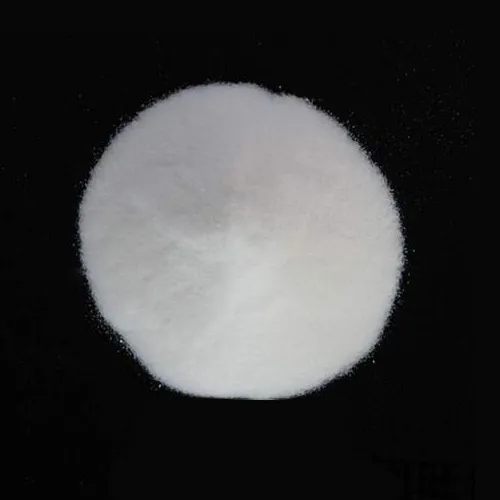
Sodium Acid Pyrophosphate (SAPP) is one of the most widely used food-grade phosphates in bakery, fried foods, processed meats, and instant products. Known for its controlled reaction rates and functional versatility, SAPP plays a crucial role in leavening systems, color stabilization, texture improvement, and pH adjustment. This guide explains SAPP’s chemical behavior, type classifications, application […]