
Food & Feed Additives
Sodium Acid Pyrophosphate (SAPP)
Food-Grade Leavening Acid | E450(i) | CAS 7758-16-9 | Slow-Acting, Heat-Activated
FDA Framework Reference*
EU E450(i) Reference*
Halal & Kosher Options*
*Certificates and compliance documents are available upon request. Product suitability should be confirmed based on destination market, application, and customer specification.
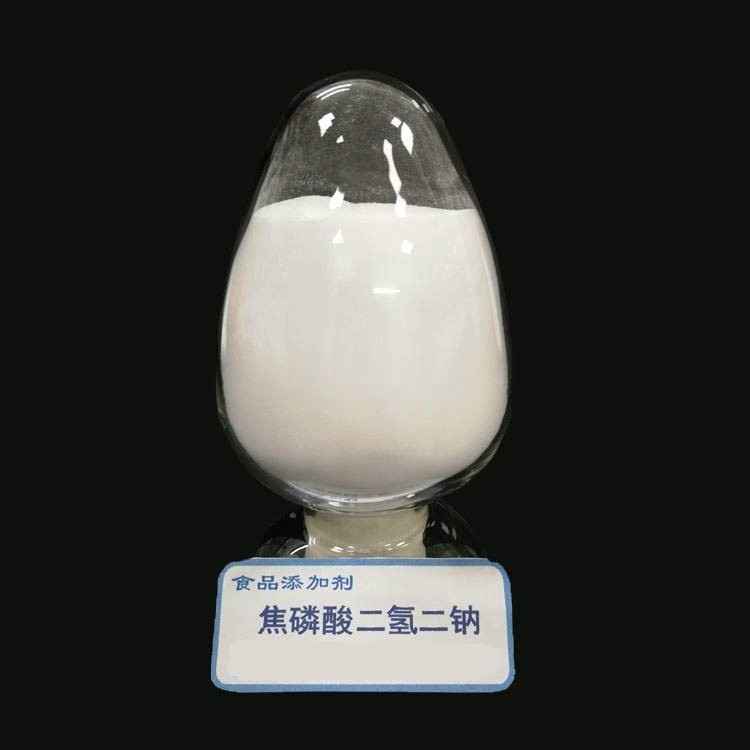
What Is Sodium Acid Pyrophosphate (SAPP)?
Sodium Acid Pyrophosphate, commonly abbreviated as SAPP, is a food-grade phosphate ingredient widely used as a leavening acid in baking powders and prepared food systems. It is also identified in some markets as E450(i). In bakery applications, SAPP reacts with sodium bicarbonate in a controlled way to support gas release, texture development, and finished product volume.
Beyond baking, SAPP may also be used in selected potato, seafood, meat, and convenience food formulations where controlled functionality, process stability, and product consistency are important.
Also Known As
- Sodium Acid Pyrophosphate
- SAPP
- E450(i)
- Disodium Dihydrogen Pyrophosphate
How Does SAPP Work in Baking?
In bakery systems, SAPP is used together with sodium bicarbonate. Its reaction profile helps control when carbon dioxide is released during mixing and baking, making it useful in products that require balanced batter handling, oven rise, crumb structure, and finished texture.
Controlled Reaction
Helps manage gas release more predictably than fast-reacting acid systems.
Supports Oven Rise
A slower reaction profile can support better volume development during baking.
Process-Friendly
Useful where batter stability and controlled production flow are important.
Texture & Crumb
Helps formulators fine-tune texture, cell structure, and eating quality.
Why Choose SAPP for Your Formulations?
Designed for controlled gas release and dependable application performance. SAPP helps R&D teams improve formulation control, while helping procurement teams secure compliant and stable supply.
Predictable Rise
Suitable for bakery systems where controlled gas release supports volume and crumb development.
Balanced Flavor Profile
Helps neutralize sodium bicarbonate in well-designed systems and supports clean finished taste.
Application Flexibility
Can be evaluated for bakery, selected potato products, seafood, meat systems, and prepared foods.
Reliable Supply Support
Backed by batch documentation, technical support, and export-oriented compliance coordination.
Main Uses of Sodium Acid Pyrophosphate in Food
Clear, practical use cases to help your team quickly confirm fit before moving into trials or document review.
Bakery Products
SAPP is widely used in baking powder systems for cakes, muffins, pancakes, and self-rising flour where controlled gas release and oven rise are important to product structure and texture.
Potato Processing
In selected potato applications, SAPP may be evaluated where color control and process consistency are important, depending on final product and manufacturing conditions.
Meat & Seafood Systems
In selected meat and seafood systems, SAPP may be used to support formulation performance, water management, and processing consistency, subject to product design and local regulatory requirements.
Frozen Dough & Prepared Foods
For systems requiring balanced handling and processing stability, SAPP can be considered in frozen dough and certain prepared food formulations after pilot validation.
Technical Specifications
Typical specification for food-grade SAPP. We can align to your required standard based on destination market, application, and customer compliance requirements.
Note: Final COA values are batch-specific. Please confirm required specification with your regulatory, QA, or product development team before commercial use.
Typical Use Considerations
- Bakery: usage level depends on flour system, target texture, and bicarbonate balance.
- Meat or seafood systems: confirm application design and market compliance before pilot use.
- Frozen or prepared foods: validate performance under actual process and storage conditions.
Please share your process conditions, temperature profile, storage plan, and destination market if you need more targeted technical support.
| Parameter | Typical Specification |
|---|---|
| Chemical Formula | Na₂H₂P₂O₇ |
| Appearance | White crystalline powder |
| Assay (as P₂O₅) | ≥ 62.0% |
| pH (1% solution) | 3.5 – 4.5 |
| Loss on Drying | ≤ 0.5% |
| Heavy Metals (as Pb) | ≤ 10 ppm |
| Fluoride | ≤ 50 ppm |
| Mesh Size | 20–60 (or as per customer request) |
| Packaging | 25kg multi-wall paper bag with PE liner |
| Document Support | TDS / COA / SDS available upon request |
Safety and Regulatory Status
SAPP is commonly used in food formulations where permitted by applicable standards and product categories. Regulatory suitability should always be confirmed against destination market requirements, intended food use, and customer compliance expectations.
Our team can support document review and supply packs for customer QA, regulatory, and procurement teams during qualification.
| Reference Area | Status |
|---|---|
| United States | Can be reviewed against applicable FDA-related food use frameworks |
| European Union | Commonly associated with E450(i) in relevant additive systems |
| Food-grade support | TDS / COA / SDS and supporting documents available on request |
| Dietary / religious support | Halal and Kosher options available subject to supply documentation |
Formulation and Trial Support
Practical guidance to help R&D teams evaluate SAPP more efficiently in bakery and selected food systems.
Pro Tip: Evaluate the Full System, Not Just the Acid
SAPP performance should be reviewed together with sodium bicarbonate level, product moisture, process temperature, holding time, and target texture. In double-acting systems, formulators often compare SAPP with faster-reacting partners depending on batter flow and desired rise profile.
Ask for support when reviewing:
- Product type
- Process temperature profile
- Target texture and volume
- Storage conditions
- Destination market compliance needs
Final formulation ratios should be confirmed through pilot testing and internal validation.
What You’ll Receive
- TDS (typical specs and test methods)
- COA (batch-specific results)
- SDS (GHS format)
- Packaging and loading details
- Application and compliance support
Compliance Notes
We support export documentation and customer audits as needed. Please share your destination market, target application, and internal compliance requirements so we can align the document pack accordingly.
Request Technical Data Pack
Tell us your application, target specification standard, and destination country. We will send the available TDS, COA, SDS, and recommended support information for review.
Free Sample for Trial
For qualified industrial users. Share your trial plan, expected use case, and required quantity so we can confirm availability and shipping options.
Trust and Supply Assurance
Dedicated Food-Grade Management
Produced under a food-oriented management framework with supporting documents available upon request.
Batch Traceability
Batch records, document support, and quality documentation can be prepared for customer review.
Export-Oriented Support
Packaging, loading, and documentation support can be aligned to destination market needs.
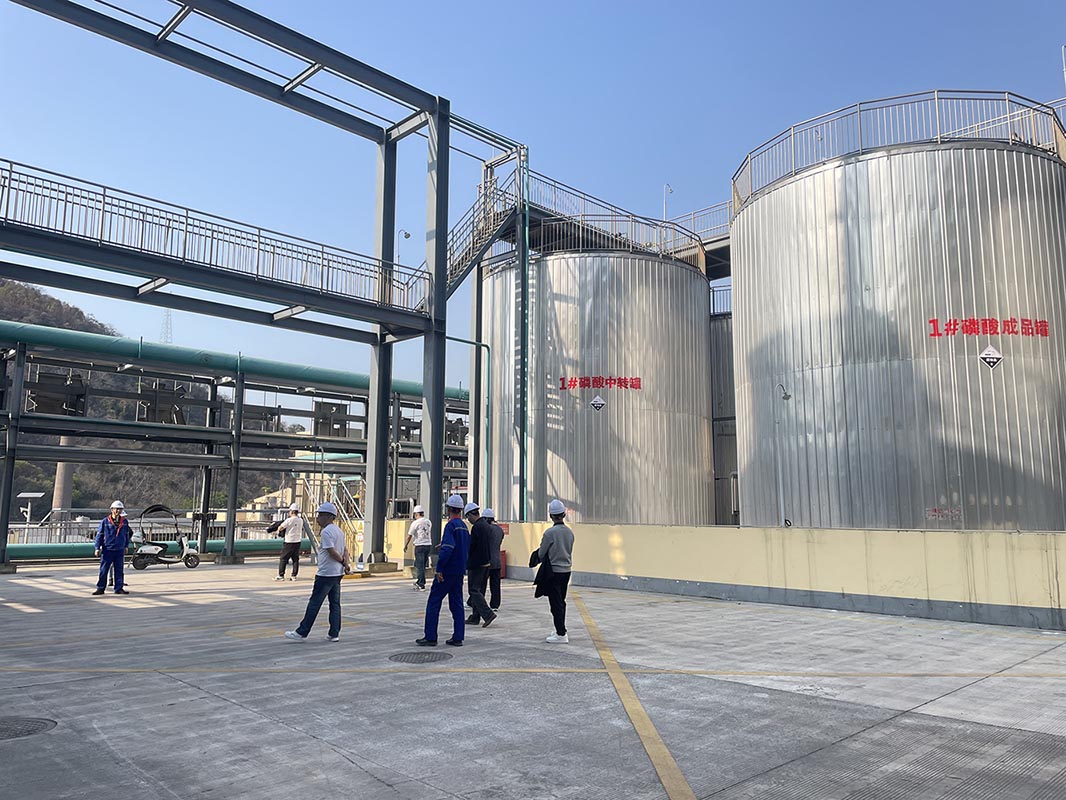
Goway Food-Grade Phosphate Production Line
We support customer audits and document review for regional supply programs. Share your target application and destination market, and our team can recommend an appropriate SAPP grade and supporting data pack.
FAQ
What is sodium acid pyrophosphate used for?
Sodium acid pyrophosphate is commonly used as a leavening acid in baking powder systems and may also be evaluated in selected potato, seafood, meat, and prepared food applications depending on formulation goals and regulatory requirements.
Is SAPP the same as E450(i)?
In many food additive references, SAPP is associated with E450(i). Product use should still be reviewed based on the specific market, category, and customer compliance standard.
Why is SAPP used in baking powder?
SAPP is used in baking powder because its reaction profile helps control carbon dioxide release together with sodium bicarbonate, supporting batter handling, oven rise, and finished texture.
Is sodium acid pyrophosphate safe in food?
SAPP is used in food systems where permitted by relevant standards and product categories. Final suitability should always be confirmed based on local regulations, intended use, and customer compliance requirements.
What documents can you provide for SAPP?
Typically available documents include TDS, COA, SDS, packaging details, loading plans, and selected compliance support materials upon request.
Can you align to customer or market-specific standards?
We can review required specification and test expectations based on your destination market, application, and internal compliance needs. Please share your target standard when requesting documents.
What is the standard packaging?
Standard packaging is 25kg multi-wall paper bag with PE liner, palletized. Additional packaging options may be available upon request.
References and Support
Product information on this page is prepared for commercial and technical reference. Final suitability should be reviewed against
applicable regulations, customer standards, and application requirements.
- Internal technical specification and quality document framework
- Applicable customer-facing food-grade support documents
- Regional additive reference review based on destination market needs