
SAPP in baking is mainly used as a leavening acid. SAPP stands for sodium acid pyrophosphate, and in bakery systems it reacts with baking soda to help release carbon dioxide, which supports rise, volume, and crumb structure in products such as cakes, muffins, pancakes, donuts, and baking powders. In the U.S., sodium acid pyrophosphate is […]
Category Archives: Food grade
This category collects articles about food feed additives ingredients, including STPP, SHMP and related applications in meat, seafood, dairy and bakery products.

Sodium Acid Pyrophosphate (SAPP) is a food-grade phosphate leavening acid identified as Na2H2P2O7, CAS 7758-16-9, and EU additive E450(i). It is typically used to control carbon-dioxide release in bakery systems and is also applied in selected potato, meat, and processed-food formulations where reaction rate and process consistency matter. Within Goway’s site structure, SAPP belongs to the […]
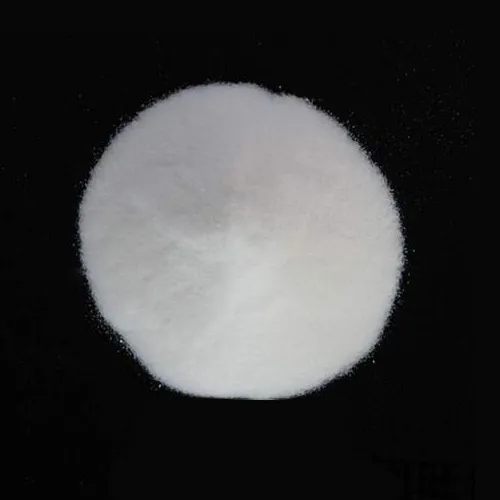
Sodium Acid Pyrophosphate (SAPP) is one of the most widely used food-grade phosphates in bakery, fried foods, processed meats, and instant products. Known for its controlled reaction rates and functional versatility, SAPP plays a crucial role in leavening systems, color stabilization, texture improvement, and pH adjustment. This guide explains SAPP’s chemical behavior, type classifications, application […]

What is Dipotassium Phosphate (DKP)? Uses, Safety & Applications in Food and Beverages That smooth, non-gritty texture in your oat milk or protein shake? It’s often supported by dipotassium phosphate (DKP) — a highly water-soluble mineral salt that helps keep nutrients suspended and pH stable. This guide delivers science-backed clarity on DKP’s chemistry, GRAS status, […]
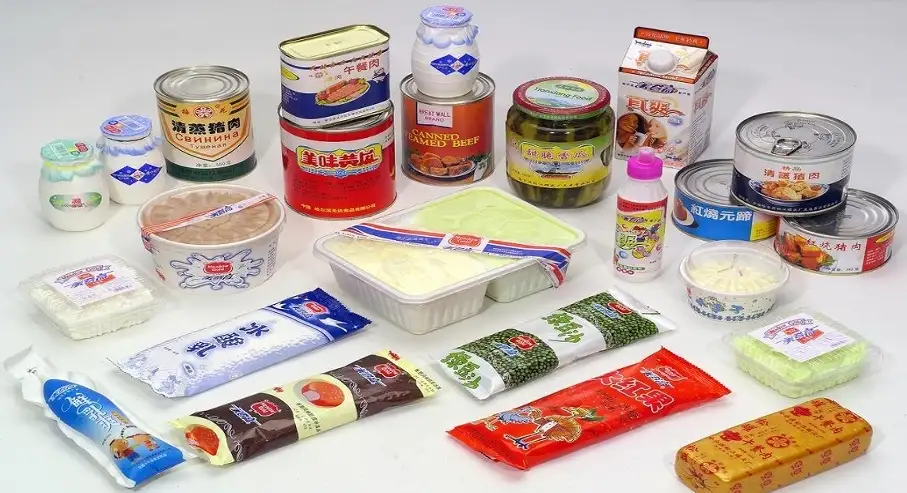
Phosphates are essential nutrients and widely used functional ingredients. Safety questions usually come down to how phosphates are regulated, what purity standards apply, and how intake is managed across populations—not whether one specific phosphate “is good or bad.” Part of Goway’s Phosphates Encyclopedia. 1. The Global Safety Framework for Phosphates Phosphates used in food are governed by […]
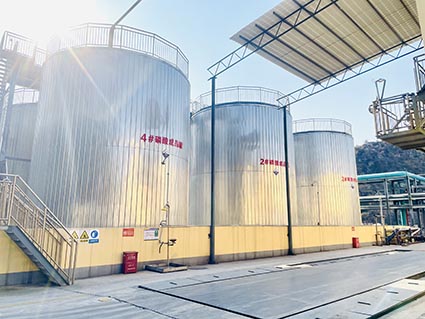
Also known as: Calcium Hydrogen Phosphate, Dibasic Calcium Phosphate, E341(ii), INS 341(ii) What is Dicalcium Phosphate (DCP)? Dicalcium phosphate (DCP) (commonly calcium hydrogen phosphate, CAS 7757-93-9) is an inorganic calcium phosphate supplied mainly as CaHPO₄ (anhydrous) or CaHPO₄·2H₂O (dihydrate). It serves as a critical calcium and phosphorus source in animal nutrition and as a regulated […]
From your morning cereal to life-saving bone grafts, tricalcium phosphate (TCP) works quietly— as a calcium nutrient, anti-caking agent, and biocompatible scaffold.This guide delivers science-backed clarity on TCP’s chemistry, global safety status, industrial uses, and how to choose the correct grade—so food R&D, pharma formulators, and feed producers can specify TCP with confidence. Contents What […]
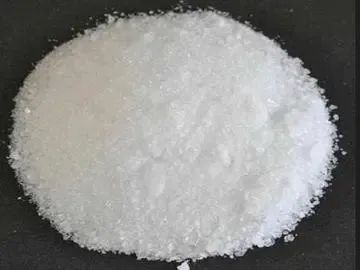
Monocalcium phosphate (MCP), chemically known as calcium dihydrogen phosphate, is an inorganic calcium phosphate supplied as anhydrous Ca(H₂PO₄)₂ or monohydrate Ca(H₂PO₄)₂·H₂O. In practice, it is used mainly as INS 341(i) in food processing, as a calcium–phosphorus source in feed, and as a phosphate-bearing material in agricultural systems. Selection is typically based on hydration state, calcium/phosphorus […]
Sodium polyphosphate in food usually refers to glassy sodium polyphosphates within the E452(i) / INS 452(i) category, a family of condensed sodium phosphates used as emulsifiers, sequestrants, texturizers, and thickeners. In food processing, selection depends on chain length, Na₂O/P₂O₅ ratio, pH behavior, and application matrix rather than on a single universal formula. For broader phosphate […]
What Is Penta Sodium Triphosphate? Pentasodium triphosphate, also known as sodium tripolyphosphate (STPP), is a white, water-soluble powder commonly used in food processing. It belongs to the family of phosphate additives and is widely applied for its ability to improve texture, retain moisture, and stabilize pH in various foods. In food labeling, you might also […]
- 1
- 2