Reduce Cooking Loss by 15% and Eliminate Dry Texture — with Precision Phosphate Blends

Goway’s food-grade STPP, SHMP, and TSPP are formulated to lock in moisture, improve protein binding, and maximize yield — from frozen shrimp to sliced deli meats.

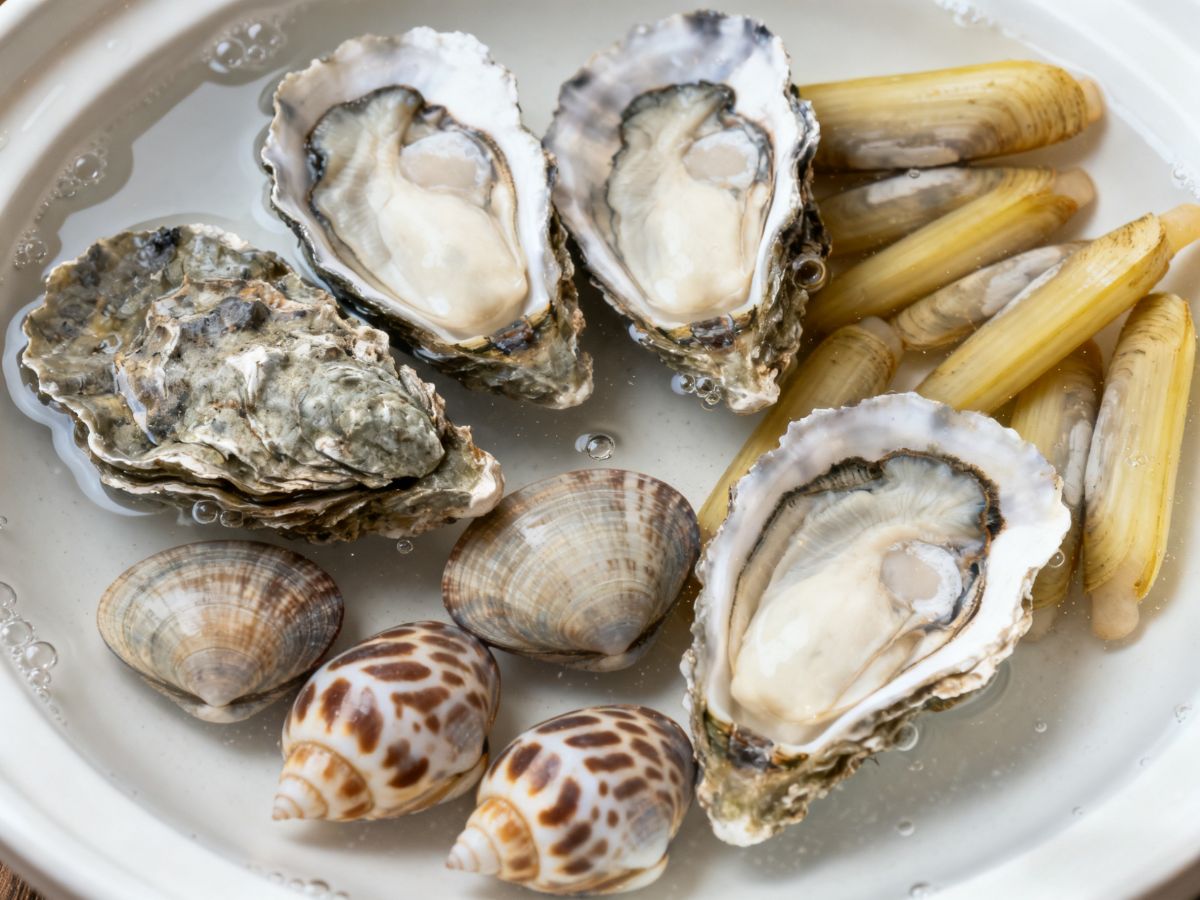
Looking for the seafood deep dive? See our authoritative guide: Enhancing Seafood Quality with Phosphates →

REQUEST Meat & Seafood Technical Guide Request Sample + Custom Blend (WhatsApp)

The Cost of Poor Moisture Control


Yield loss and slicing waste are measurable. If moisture and bind aren’t controlled, profitability drops — even when product “looks acceptable.”

  • Frozen shrimp thaw loss: typically 8–12% → direct revenue loss and customer complaints.
  • Deli meat slicing waste: 5–7% due to poor bind / crumbly structure → trim loss and inconsistent slices.
  • Proper phosphate blend: can deliver +10–15% net yield, better sliceability, and fewer defects when validated by trials.

If you want proven seafood trial logic (shrimp/squid/fish fillets), reference:
Enhancing Seafood Quality with Phosphates.

Meat with vs without phosphate: yield and texture comparison

Figure: Meat with vs without phosphate — improved yield, texture, and sliceability

Solution by Application

Choose the solution based on your product type. Seafood and meat systems fail for different reasons — your phosphate strategy should match the mechanism.

Seafood Processing: Stop Drip Loss in Frozen Shrimp & Fish Fillets

Key challenge: ice crystal damage → protein denaturation → water leakage after thawing.

Our solution:

  • STPP: primary moisture binder; raises pH to improve myofibrillar protein functionality.
  • SHMP: chelates Ca2+/Mg2+; helps prevent texture hardening and improves stability.
Authoritative reference (internal):
For a full technical analysis of STPP vs SHMP performance in seafood, including dosage trial logic on shrimp, squid, and fish fillets, read:
Enhancing Seafood Quality with Phosphates.

Meat Processing: Improve Binding in Injected & Emulsified Products

Key challenge: weak protein extraction → low cook yield, crumbly texture, and poor sliceability.

Our solution:

  • TSPP: increases ionic strength to enhance actomyosin solubilization (critical for emulsified systems).
  • STPP + SHMP blend: balances pH + chelation for stable emulsions (e.g., sausages, injected deli meats).
Tip: avoid over-dosing — excessive phosphate can cause “rubbery” mouthfeel or overly firm bite. Validate with pilot trials and sensory checks.

How It Works: The Science Simplified

Phosphates improve yield and texture by balancing pH, ionic strength, and chelation. Our blends are designed to cover all three — because no single phosphate does it all.

Mechanism What It Does for Your Product
pH Adjustment Moves meat pH away from the isoelectric point (~5.2) → more net negative charge → improved water binding and reduced cooking loss.
Ionic Strength Unfolds myosin proteins → forms a stronger gel network that traps moisture during heating; improves bind and sliceability.
Chelation Binds metal ions that catalyze lipid oxidation → preserves color and flavor during chilled/frozen storage; supports stability in seafood.

Recommended Products (Food Grade)

High-purity additives for meat & seafood processing — with documentation available per batch.

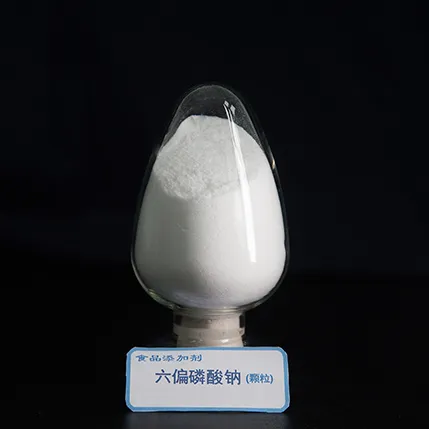
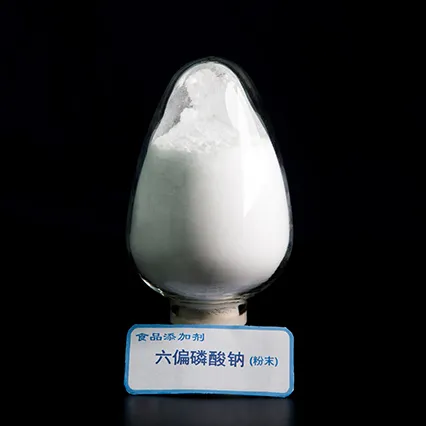
STPP Food Grade

Moisture binder for shrimp, fish, and meat systems; supports yield and texture.

View Specs

SHMP Food Grade

Chelator for texture stability and oxidation control; useful in seafood and emulsions.

View Specs

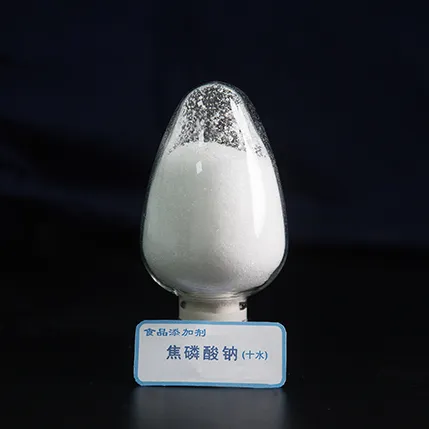
TSPP Food Grade

Protein modifier to strengthen bind in emulsified meats; supports sliceability.

View Specs

SAPP Food Grade

Process support for specific meat systems (color/curing acceleration depending on formula).

View Specs

Need a custom phosphate blend for your product (shrimp / beef / sausage / deli meat)?
Contact our food application engineers.

Compliance & Quality Assurance

International buyers need audit-ready documentation and consistent specs. We support labeling, destination-market compliance, and per-batch traceability.

Certifications (as applicable)

  • ISO 22000 / HACCP aligned systems
  • Halal, Kosher
  • Destination-market support for labeling (E451/E452 or full chemical name)

Quality & Documentation

  • Purity controls: heavy metals and key impurities to meet market expectations
  • Micro controls: typical total plate count targets for food-grade handling
  • Docs available: COA (per batch), SDS (GHS), allergen statement
Need compliance support for EU/USA/Asia markets? Request documentation.

Technical Support & Next Steps

Choose the path that matches your role — we’ll respond with the right blend, dosage logic, and documentation set.

For Production Managers
🧪 Request Free Sample + Trial Protocol
Include: product type (shrimp/beef/sausage), process (soak/injection/tumble), target yield.
For Exporters
📄 Get compliance docs for EU/USA/Asia
Labeling support: E-number (E451/E452) or full chemical name per market.
ISO 22000

Food Safety System

HACCP

Risk Control

HALAL

Available

KOSHER

Available