
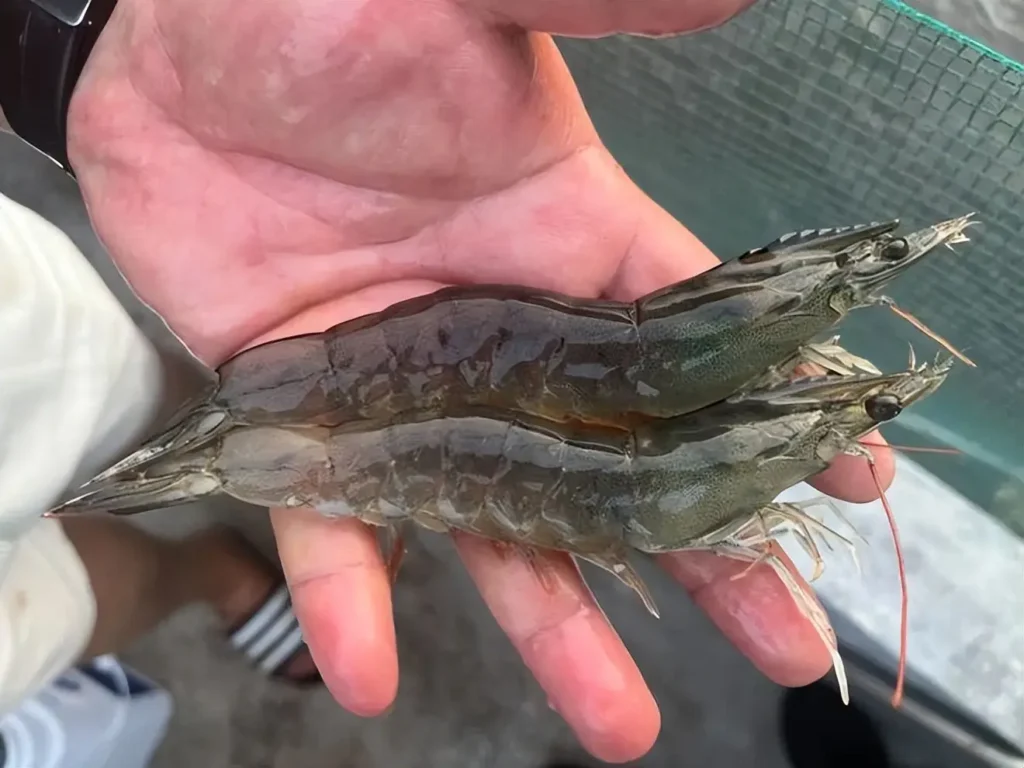
Sodium tripolyphosphate (STPP) is one of the most widely used functional phosphates in the shrimp-processing industry. When applied correctly, STPP improves water-holding capacity, reduces drip loss, protects muscle texture, and enhances product yield. However, improper usage can lead to texture softening, compliance issues, or negative consumer perception. This guide provides processors, exporters, and seafood manufacturers with a clear, technical understanding of how to use STPP effectively and responsibly in shrimp processing.
1. Why STPP Is Used in Shrimp Processing
Freezing, thawing, and mechanical handling can damage shrimp muscle structure, resulting in moisture loss and firming or toughness. STPP stabilizes muscle proteins, increases pH slightly, and enhances electrostatic repulsion between fibers—allowing the tissue to hold water more effectively. This helps shrimp retain a firm, succulent texture after thawing, especially in IQF (Individually Quick Frozen) production and export supply chains.
For producers, this translates into improved yield, better appearance, and reduced quality variability. For distributors and retailers, STPP ensures consistent performance during storage, transportation, and final preparation.
2. How STPP Functions at the Molecular Level
STPP acts through several biochemical mechanisms:
- Protein water-binding enhancement: STPP increases the net negative charge of myofibrillar proteins, improving hydration and preventing shrinkage during freezing.
- Enzyme inhibition: By chelating calcium and magnesium ions, STPP slows autolytic activity that causes softening and texture degradation.
- pH adjustment: A slight pH increase improves protein solubility and functional performance.
- Cryoprotection: STPP reduces ice crystal damage to muscle fibers, improving thawed product consistency.
These combined effects explain why STPP remains the most efficient moisture-retaining tool available to seafood processors.
3. Recommended STPP Dosage for Shrimp Processing
Typical STPP usage ranges from 0.3% to 0.5% of the final product weight, depending on processing goals and regional regulations. Excessive levels may cause overly soft texture, poor sensory quality, or regulatory non-compliance.
General dosage guidelines:
- Brine STPP concentration: 3%–5%
- Ideal combined phosphate concentration: 0.3%–0.5%
- If blended with other phosphates (e.g., TSPP, SHMP): adjust downward to maintain legal limits
For processors seeking consistent results, sourcing high-quality food grade sodium tripolyphosphate is essential to achieve predictable performance and clarity in brine solutions.
4. Soaking Time & Temperature Conditions
Controlled soaking conditions are critical for achieving balanced moisture retention without over-treatment.
Typical soaking parameters:
- Soaking time: 20–40 minutes (depending on shrimp size)
- Water temperature: 0°C–4°C for optimal protein stability
- Agitation: Gentle agitation improves uniform absorption
- Brine-to-shrimp ratio: At least 2:1 for consistent distribution
Over-soaking increases water uptake beyond desired levels and can cause mushy texture. Processors should standardize conditions and validate results through regular yield and texture measurements.
5. pH Control and Brine Management
The effectiveness of STPP depends heavily on pH. Most phosphate systems perform best at pH 9–10. A brine that is too acidic reduces water-binding efficiency, while excessively high pH may create off-flavors or compliance issues.
Best practices for brine management:
- Monitor pH regularly during production batches
- Replace brine when viscosity increases or phosphate levels drop
- Avoid high mineral-content water that may reduce STPP efficiency
Consistent brine quality is essential for achieving repeatable moisture retention and product appearance.
6. Regulatory Limits for STPP in Shrimp
Regulations vary across global markets, but most regions limit phosphate addition to 0.3%–0.5% of the finished product. Examples include:
- United States (FDA): Allowed as GRAS within GMP limits
- European Union: Listed as E451(i); strict requirements for labeling and added-water declaration
- Codex Alimentarius: Permitted for use as a sequestrant and moisture control agent within set limits
Processors targeting multiple export markets must ensure proper labeling and documentation. For more details on food phosphate regulations, see our guide on phosphate for food processing.
7. Common Issues and How to Avoid Them
- Over-softening: Reduce soaking time or phosphate concentration
- Uneven absorption: Improve agitation or increase brine-to-shrimp ratio
- Cloudy brine: Caused by impure STPP—switch to higher quality material
- Labeling compliance issues: Verify final phosphate level before packaging
A combination of technical control and supplier reliability ensures consistent results.
8. Choosing the Right STPP Supplier
Food processors should prioritize suppliers offering consistent purity, clear documentation, and technical support. Goway Chemical provides high-quality phosphates tailored for seafood processing applications and supports customers in optimizing brine systems for IQF, peeled, or headless shrimp production.
For application guidance or bulk purchasing information, visit our product page on food-grade STPP.
FAQ
How much STPP should be used in shrimp processing?
Most processors target 0.3%–0.5% in the final product, achieved through a 3%–5% STPP brine solution.
How long should shrimp be soaked in STPP solution?
Typically 20–40 minutes, depending on shrimp size and processing method.
Does STPP add water weight to shrimp?
STPP improves natural moisture retention but should not be used to artificially inflate weight beyond regulatory limits.
Is STPP legal in shrimp sold in the U.S. and Europe?
Yes. STPP is FDA GRAS and permitted in the EU as E451(i), provided labeling and limits are followed.
Can shrimp be processed without phosphates?
Yes, but moisture retention and texture stability may be reduced. Clean-label alternatives exist but are less efficient and more costly.
